Explosion-Protected Equipment Explained:
What is ATEX?
ATEX is an abbreviation for "Atmosphères Explosibles," which translates to "explosive atmospheres" in English. It refers to a European Union directive, specifically Directive 2014/34/EU, which sets out the requirements for equipment and protective systems intended for use in potentially explosive areas.
What is the ATEX Directive?
The ATEX Directive establishes a framework of regulations and standards applicable across Europe. It covers aspects such as conformity assessment, product labeling, technical documentation requirements, and more. This makes the ATEX Directive an essential part of workplace safety and security in numerous industries. It helps reduce the risk of explosions and associated damage, ensuring a safer working environment.
What is the purpose of the ATEX Directive?
The ATEX Directive aims to protect people, property, and the environment in potentially explosive areas. Explosive atmospheres occur when flammable substances such as gases, vapors, mists, or dust mix with air and, under certain conditions, can cause an explosion.
Key Points to Consider:
It is crucial to implement the necessary safety measures to minimize potential explosion risks. Below are some essential aspects to keep in mind:
Classification of Hazardous Areas
The directive defines different zones based on the likelihood of an explosive atmosphere forming. Zones 0, 1, and 2 are used for gaseous atmospheres, while Zones 20, 21, and 22 apply to dusty atmospheres.
Conformity Assessment
Manufacturers of equipment and protective systems must perform a conformity assessment to ensure their products meet the requirements of the ATEX directive. This includes testing and certifying the products through an authorized body.
Marking
ATEX-certified equipment and protective systems must have specific markings providing information about zone classification and other relevant details.
Documentation
Manufacturers are required to produce technical documentation that includes all relevant product information, features, conformity assessment details, and other important data.
An isolation amplifier, signal converter, or Ex barrier for ATEX areas is a specialized electronic component designed to amplify, isolate, or transmit analog or digital signals in explosive environments. These devices minimize explosion risks in areas containing flammable gases, vapors, or dust. ATEX-compliant barriers ensure no ignition sources are present.
An Ex barrier approved for ATEX areas meets stringent safety requirements, offering additional safeguards to prevent explosions. These devices typically feature galvanic isolation between input and output, ensuring that input signals are electrically isolated and have no direct connection to the output. This prevents dangerous voltages or currents from reaching explosive areas.
Ex barriers for ATEX environments can perform various functions, such as signal amplification, isolation, or conversion, depending on the application requirements. They also act as interfaces between devices or systems, enabling secure signal transmission.
ATEX Level Sensors for Precise Liquid Monitoring
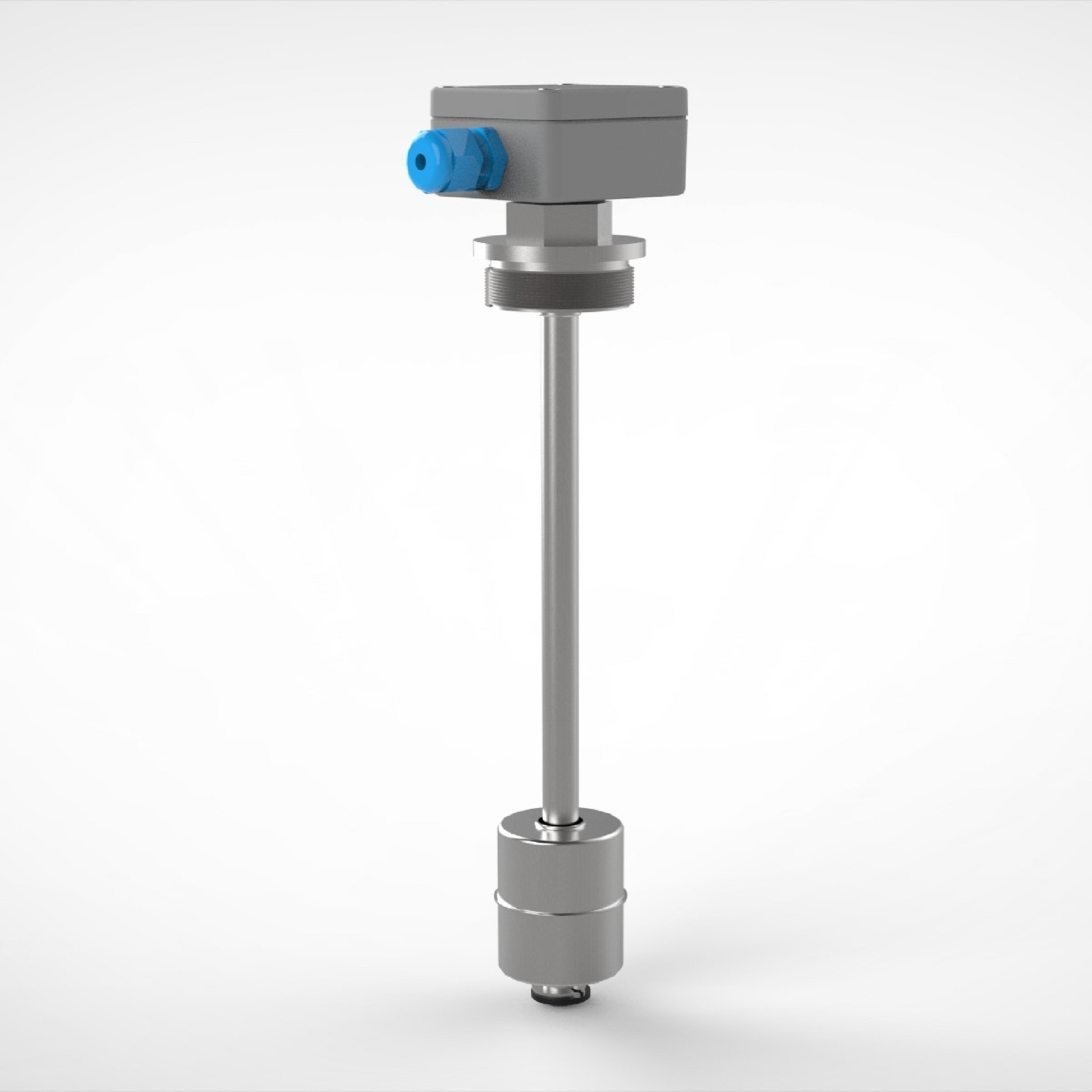
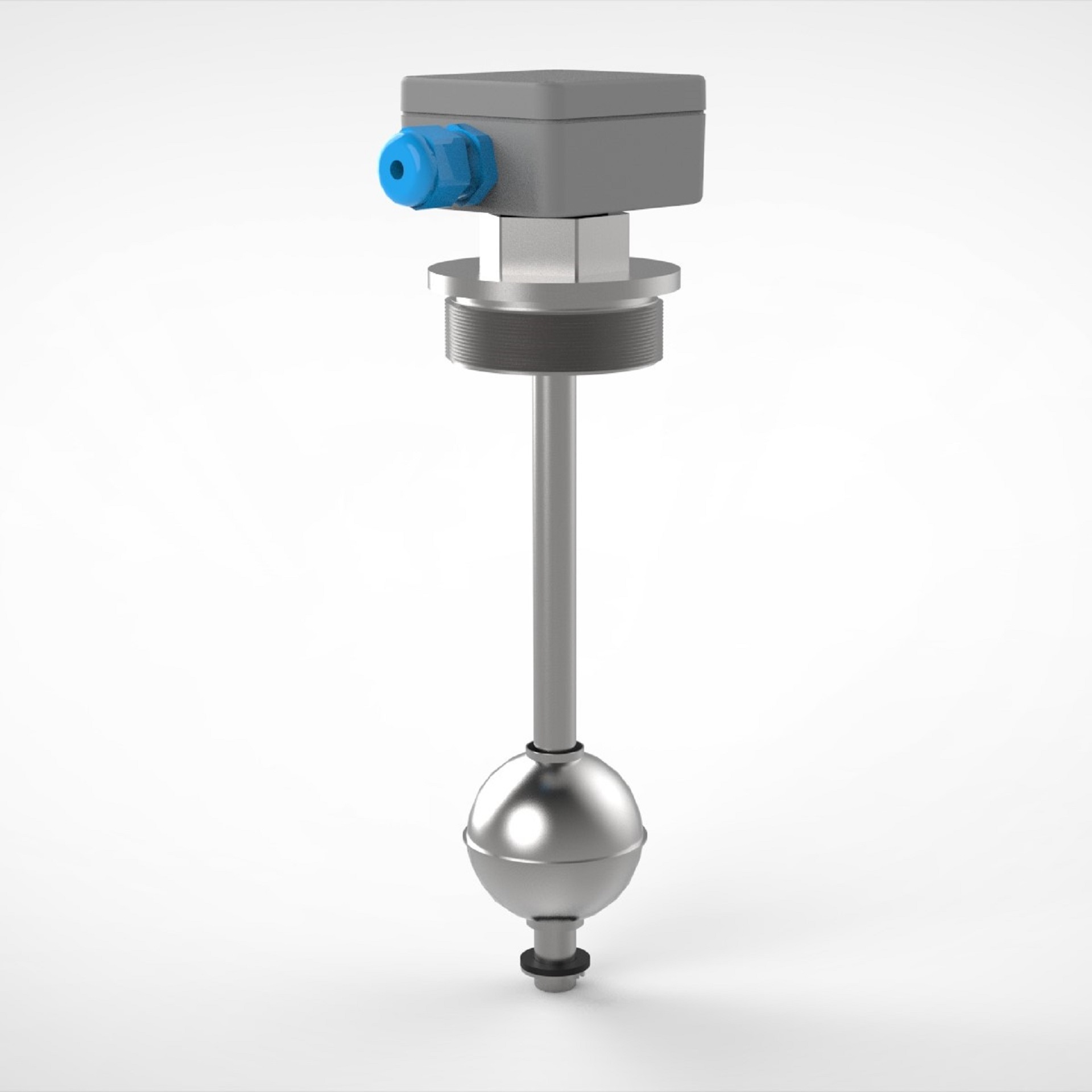
As a manufacturer of high-quality ATEX level sensors, we offer solutions for reliable monitoring and measurement of liquid levels. Our mini float switches and float switches accurately monitor limit levels, while our analog level sensors provide continuous measurement. Ideal for tanks, containers, and systems in explosive areas, our sensors ensure maximum safety and efficiency. Applications include pump control, leak prevention, and process optimization. With precise measurement and robust design, our sensors contribute to resource conservation and process stability, making them perfect for demanding environments.
ATEX Temperature Sensors for Safe Monitoring
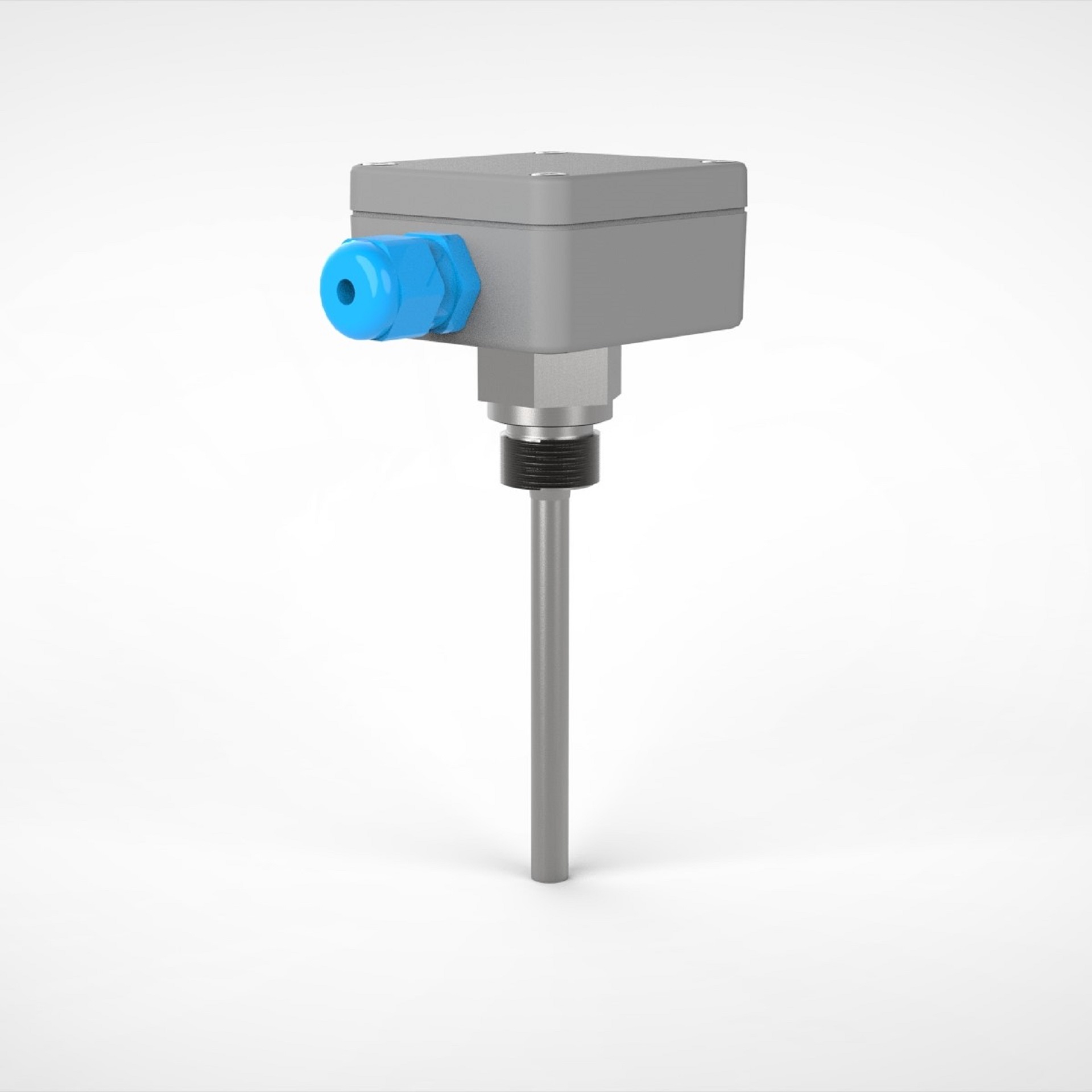
As a manufacturer of ATEX-certified temperature sensors and switches, we provide solutions for reliable temperature monitoring and control in explosive environments. Our temperature switches precisely monitor limit values, while our sensors enable continuous temperature measurement. They are ideal for applications such as process control, overheating protection, and regulating heating and cooling systems. With a robust design and high measurement accuracy, our sensors enhance process safety and efficiency. Whether in the chemical, petrochemical, or energy industries, our products ensure stable operating conditions and optimize resource-efficient workflows.
Important information about our ATEX sensors
Our Uni.Ex series devices must only be used in conjunction with an Ex barrier, isolation amplifier, or signal converter.
Engler offers specially configured Ex barriers for operating the UniExANM and UniEX.T...PT100/PT1000 series, ensuring compliance with ATEX standards and providing enhanced safety for explosive environments.
Industries
Our ATEX level and temperature sensors are ideal for a wide range of industries requiring precise and reliable monitoring of levels or temperatures in explosive environments. They reliably monitor oil levels in hydraulic systems and liquid levels of chemicals in the chemical and petrochemical industries. They are widely used in mining and the oil and gas industry. The pump manufacturing industry also relies on our products in ATEX areas, as do manufacturers of fire detection systems. Our level and temperature sensors are also utilized in thermal siphon systems, sealed pressure vessels, and the printing industry.