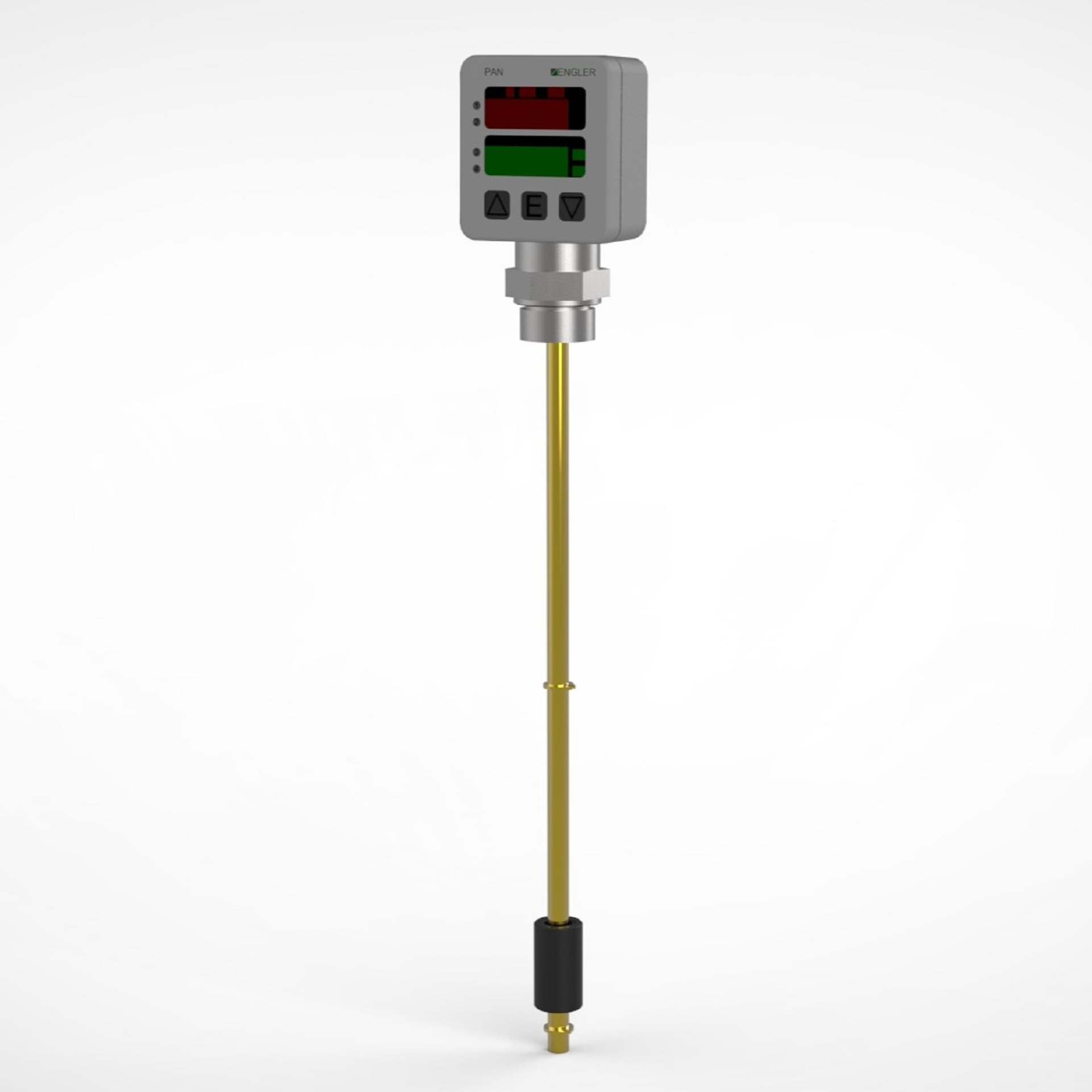
Analog Level and Temperature Measurement Reed Chain
Level and temperature measurement plays a central role in industrial plants, tanks, and containers, enhancing efficiency and safety. With analog level measurement using a reed chain and integrated temperature sensors like PT100/PT1000 or bi-metal temperature switches, precise monitoring of liquid levels and temperatures is ensured. This combination provides reliable measurements and is a leader in modern process control.
Precise Monitoring: Level and temperature measurement detects deviations early, secures processes, and improves control.
Efficient Process Control: Continuous measurements allow for automatic adjustments for optimal performance and highest quality.
Reduced Downtime: Early detection of deviations facilitates maintenance and minimizes unforeseen shutdowns.
Efficient Resource Use: Accurate data saves energy, liquids, and materials, reducing operating costs.
Cost-Effective Dosage: Continuous level measurement allows for simple and cost-effective regulation of liquid dosing.
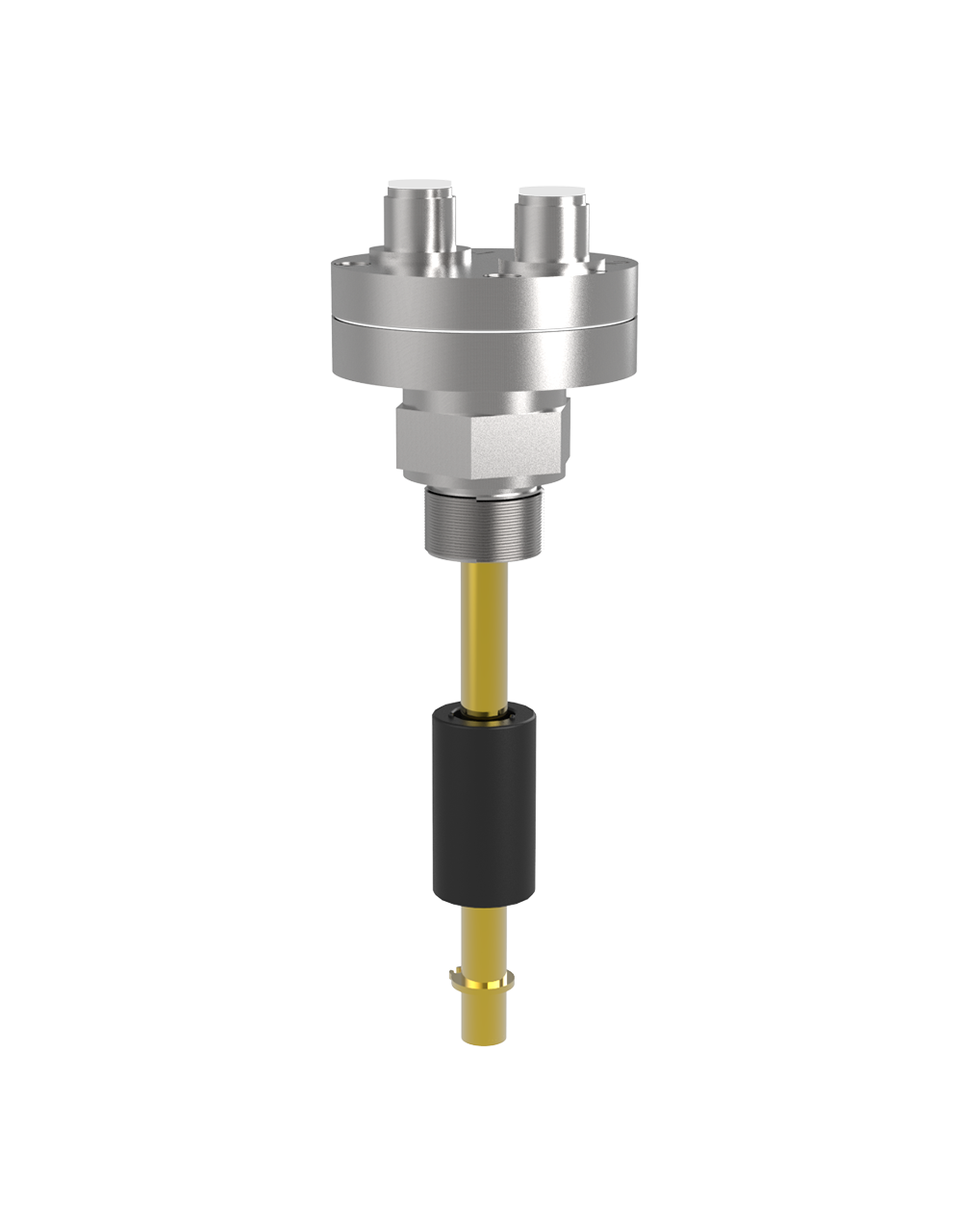
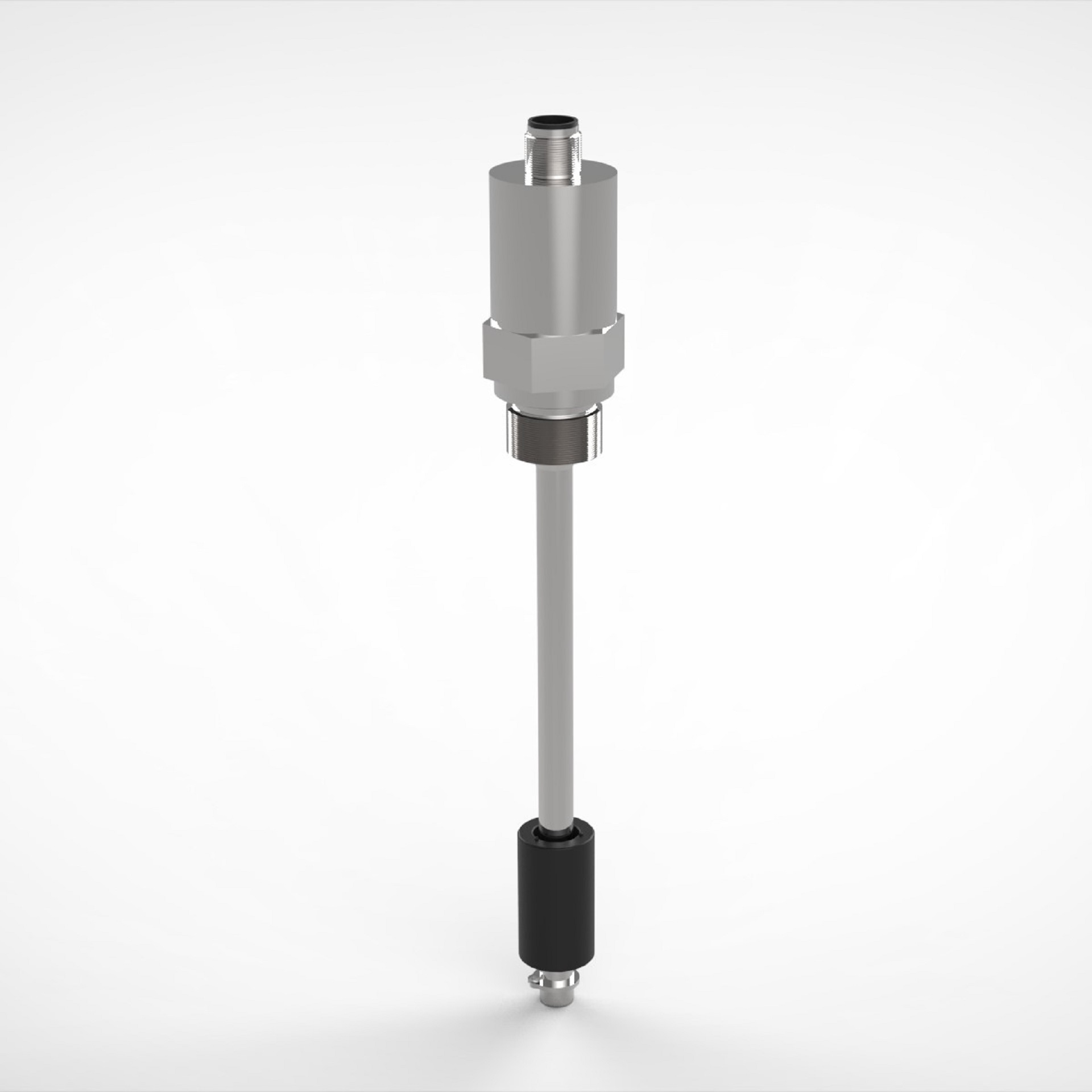
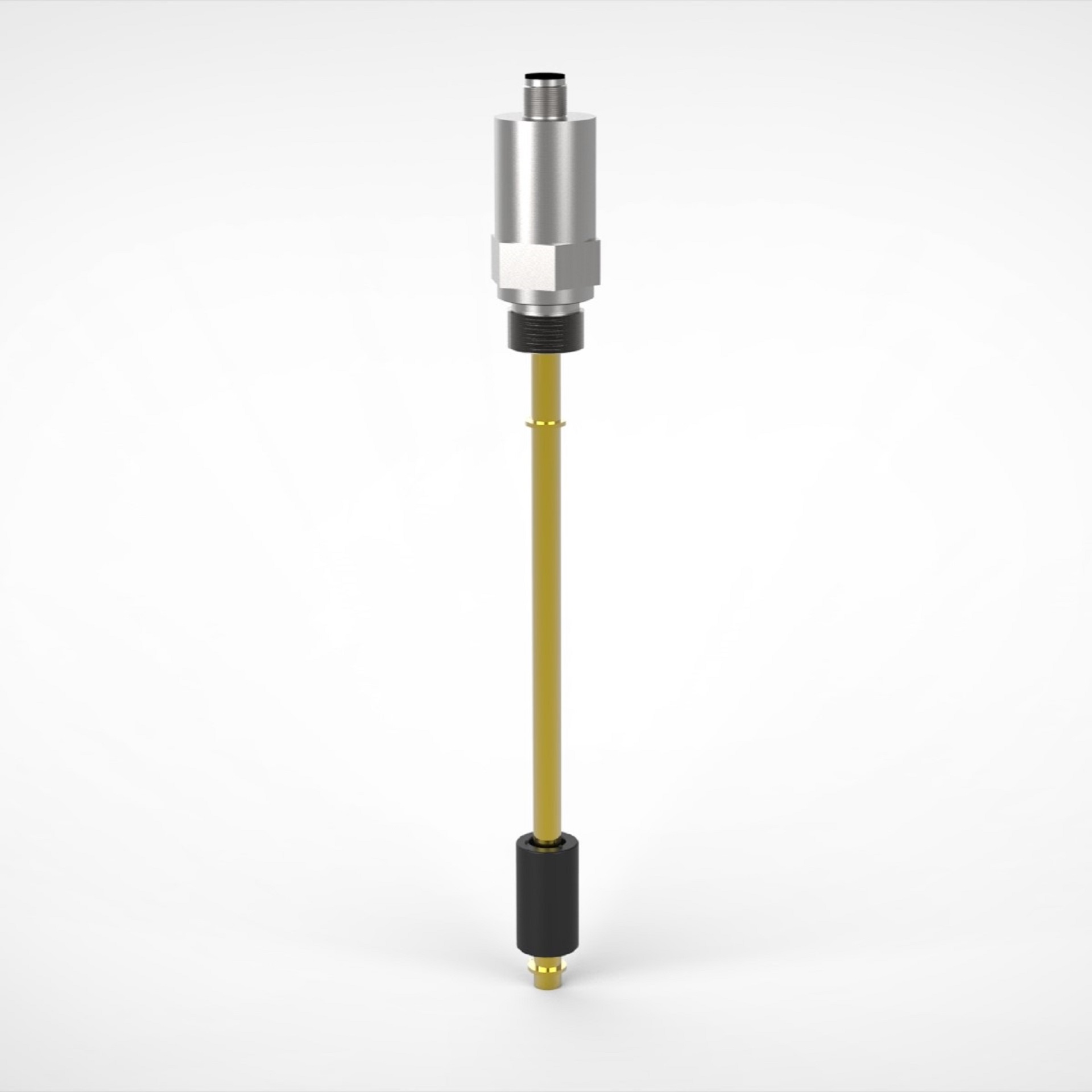
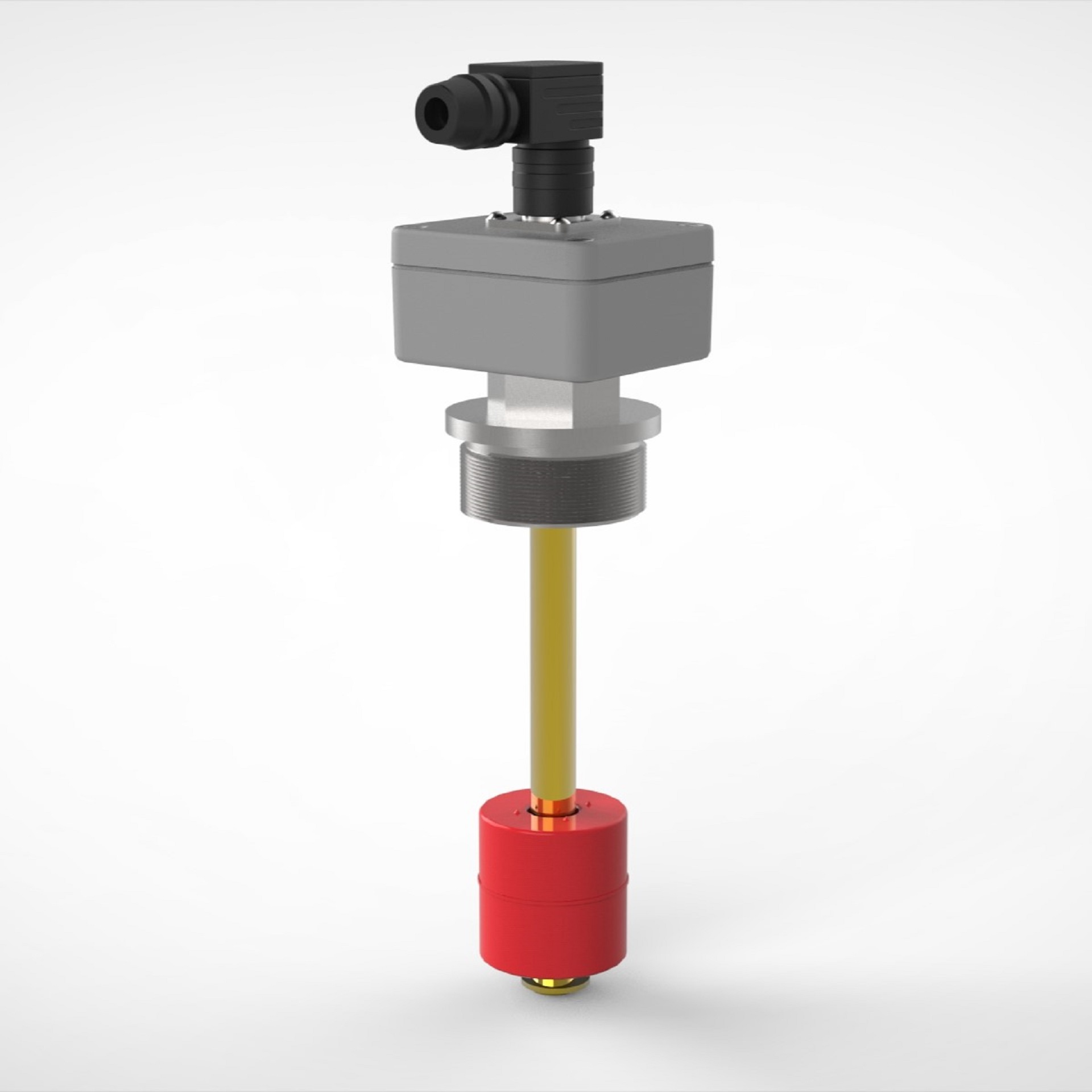
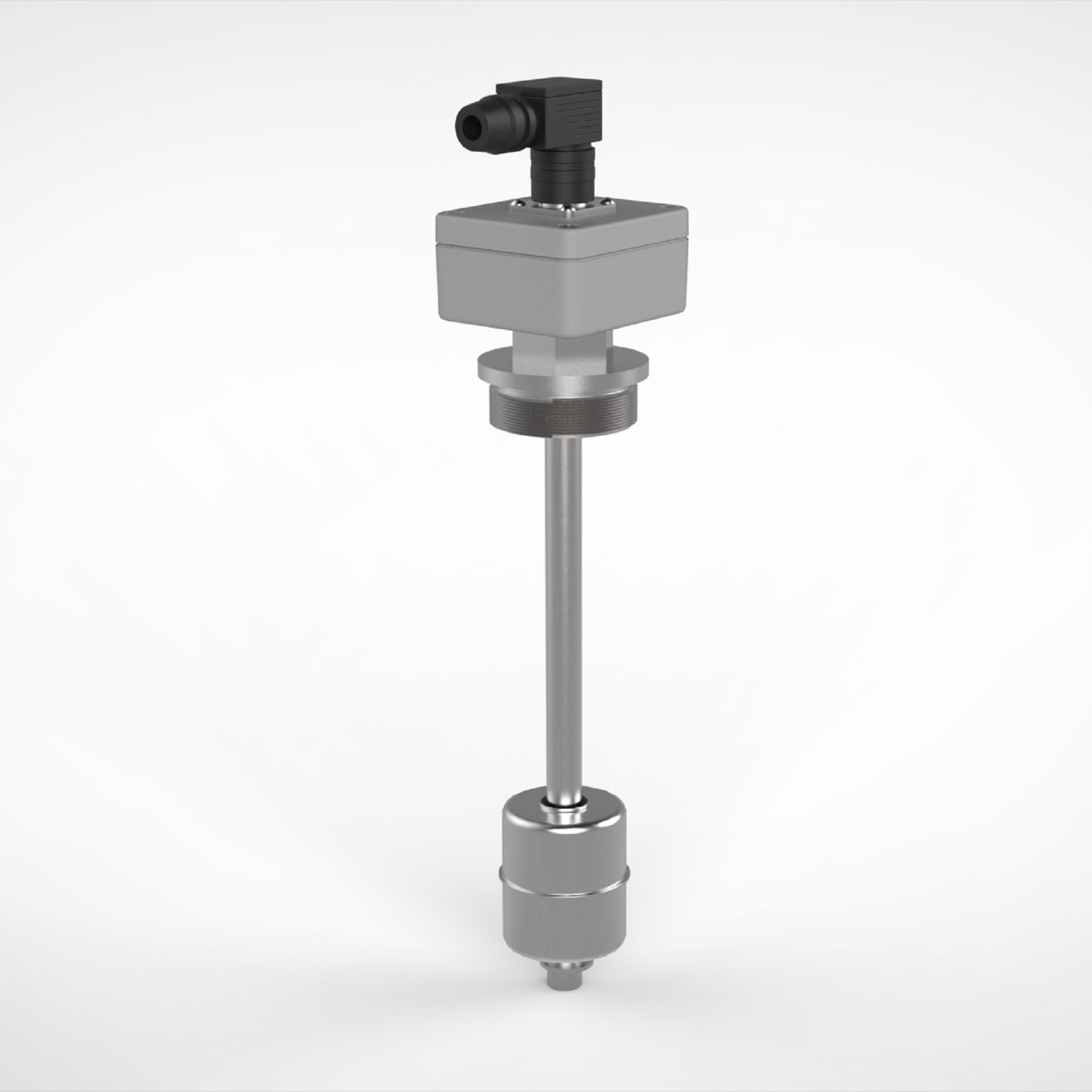
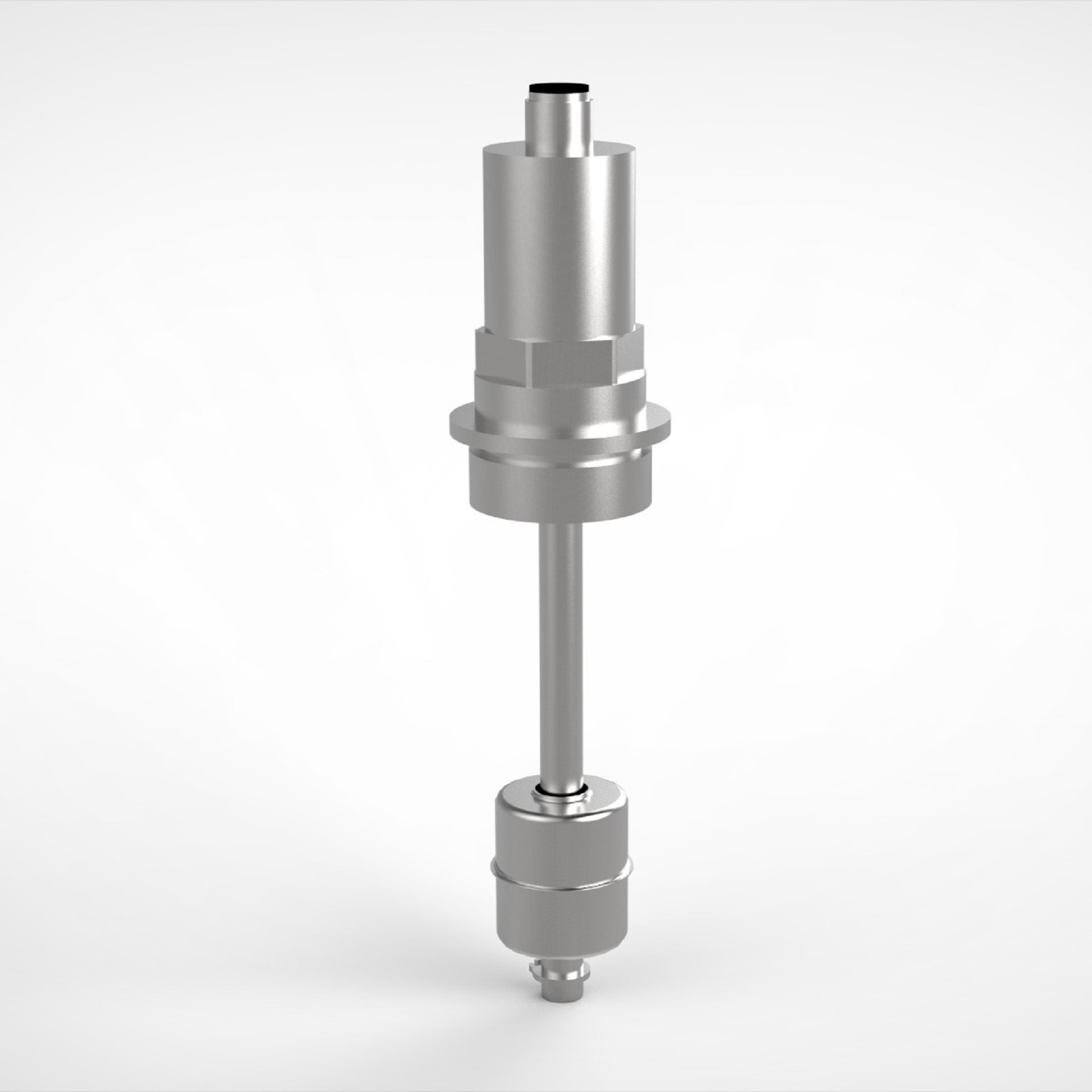
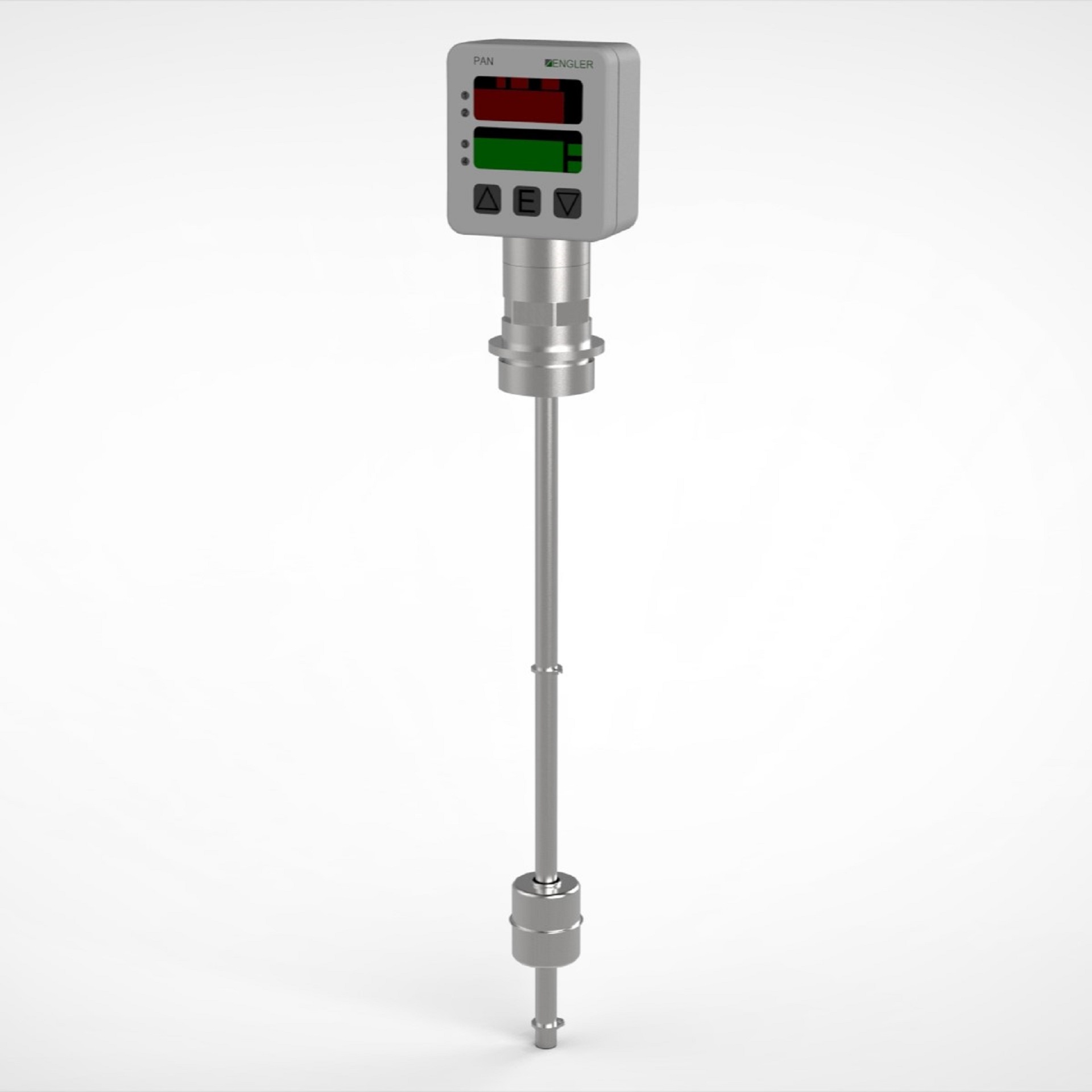
An analog level sensor with a reed chain and float uses the movement of a float in the liquid level. The sensor consists of a reed chain with reed switches attached to a flexible metal band, and a float that moves on the surface of the liquid. The float, equipped with a magnet, moves along the reed chain, which is positioned vertically in the container when the liquid level changes. The magnet activates the reed switches, which then generate electrical signals. These signals are captured by a measuring device and converted into measurable values. Additionally, the temperature of the liquid is monitored.
Temperature measurement is performed with precise PT100 or PT1000 sensors, which utilize the resistance of a metal that changes with temperature. A PT100 sensor has a platinum resistance whose value decreases as the temperature increases, while a PT1000 sensor has a resistance that is 1000 times greater. The resistance values of the PT sensors are converted into temperature values and can be transmitted to control and regulation systems to monitor the temperature and control processes.
The bi-metal switch, made of two metal strips with different coefficients of thermal expansion, detects temperature changes through deformation when a specific threshold is reached. This deformation triggers mechanical movement, opening or closing the electrical contact. When the switch is open, the circuit is interrupted to prevent overheating. When the switch is closed, current flows to activate, for example, a fan or heating element.
Tank Monitoring in the Chemical and Petrochemical Industry
In the chemical and petrochemical industry, analog level and temperature sensors enable precise monitoring of level and temperature in tanks. They support the regulation and dosing of quantities, allowing stock levels to be accurately tracked and process conditions to be optimized. This prevents overfilling, protects against temperature deviations, and enhances safety and efficiency in the handling of chemicals and oil products.
Food and Beverage Industry
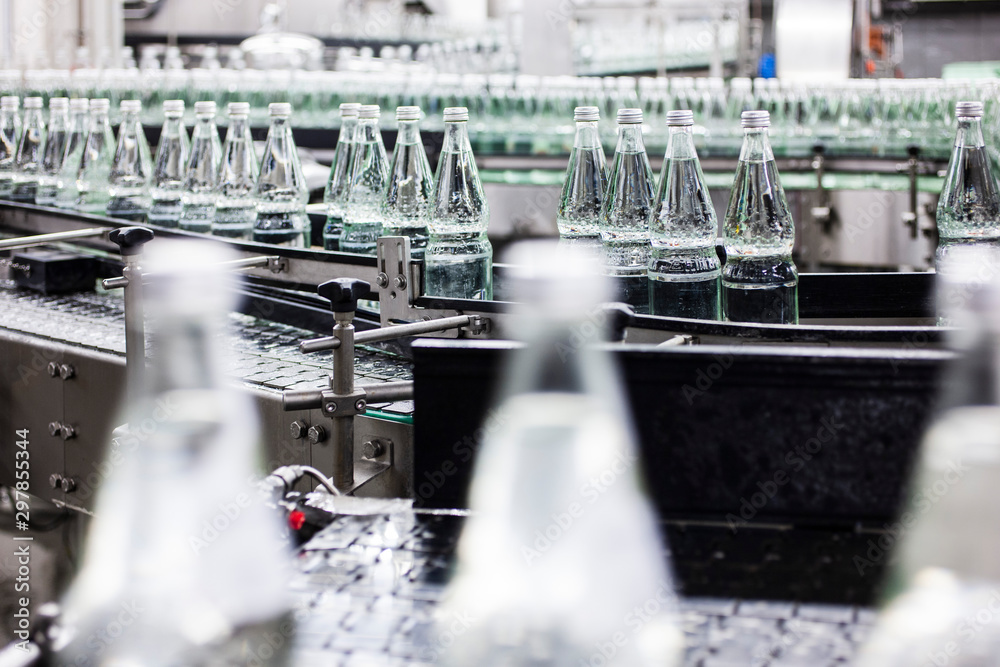
In the food and beverage industry, analog level and temperature sensors enable precise monitoring of liquid levels and temperatures. These sensors ensure accurate dosing and temperature control to guarantee the quality and safety of products. They optimize production processes, prevent spoilage, and ensure compliance with hygiene standards.
Pharmaceutical Industry
In the pharmaceutical industry, precise control of level and temperature in reactors and fermenters is necessary to manage and optimize production processes. Measuring these parameters ensures that the correct conditions are maintained for the manufacture of medicines and pharmaceutical products. This not only contributes to product quality but also to the efficiency and safety of manufacturing.
Analog level and temperature sensors with reed chains are indispensable in numerous industries. In water management and wastewater technology, they ensure precise level and temperature monitoring. In the chemical and food industries, they ensure safe process control under high hygiene requirements. They also work reliably under extreme conditions in the oil and gas industry as well as in shipping. In heating, ventilation, and air conditioning, they optimize fluid and temperature regulation.
INTRO
Level and temperature measurement plays a central role in industrial plants, tanks, and containers, enhancing efficiency and safety. With analog level measurement using a reed chain and integrated temperature sensors like PT100/PT1000 or bi-metal temperature switches, precise monitoring of liquid levels and temperatures is ensured. This combination provides reliable measurements and is a leader in modern process control.
An analog level sensor with a reed chain and float uses the movement of a float in the liquid level. The sensor consists of a reed chain with reed switches attached to a flexible metal band, and a float that moves on the surface of the liquid. The float, equipped with a magnet, moves along the reed chain, which is positioned vertically in the container when the liquid level changes. The magnet activates the reed switches, which then generate electrical signals. These signals are captured by a measuring device and converted into measurable values. Additionally, the temperature of the liquid is monitored.
Temperature measurement is performed with precise PT100 or PT1000 sensors, which utilize the resistance of a metal that changes with temperature. A PT100 sensor has a platinum resistance whose value decreases as the temperature increases, while a PT1000 sensor has a resistance that is 1000 times greater. The resistance values of the PT sensors are converted into temperature values and can be transmitted to control and regulation systems to monitor the temperature and control processes.
The bi-metal switch, made of two metal strips with different coefficients of thermal expansion, detects temperature changes through deformation when a specific threshold is reached. This deformation triggers mechanical movement, opening or closing the electrical contact. When the switch is open, the circuit is interrupted to prevent overheating. When the switch is closed, current flows to activate, for example, a fan or heating element.
Precise Monitoring: Level and temperature measurement detects deviations early, secures processes, and improves control.
Efficient Process Control: Continuous measurements allow for automatic adjustments for optimal performance and highest quality.
Reduced Downtime: Early detection of deviations facilitates maintenance and minimizes unforeseen shutdowns.
Efficient Resource Use: Accurate data saves energy, liquids, and materials, reducing operating costs.
Cost-Effective Dosage: Continuous level measurement allows for simple and cost-effective regulation of liquid dosing.
APPLICATION
Tank Monitoring in the Chemical and Petrochemical Industry
In the chemical and petrochemical industry, analog level and temperature sensors enable precise monitoring of level and temperature in tanks. They support the regulation and dosing of quantities, allowing stock levels to be accurately tracked and process conditions to be optimized. This prevents overfilling, protects against temperature deviations, and enhances safety and efficiency in the handling of chemicals and oil products.
APPLICATION
Food and Beverage Industry
In the food and beverage industry, analog level and temperature sensors enable precise monitoring of liquid levels and temperatures. These sensors ensure accurate dosing and temperature control to guarantee the quality and safety of products. They optimize production processes, prevent spoilage, and ensure compliance with hygiene standards.
APPLICATION
Pharmaceutical Industry
In the pharmaceutical industry, precise control of level and temperature in reactors and fermenters is necessary to manage and optimize production processes. Measuring these parameters ensures that the correct conditions are maintained for the manufacture of medicines and pharmaceutical products. This not only contributes to product quality but also to the efficiency and safety of manufacturing.
AREA OF OPERATION
Analog level and temperature sensors with reed chains are indispensable in numerous industries. In water management and wastewater technology, they ensure precise level and temperature monitoring. In the chemical and food industries, they ensure safe process control under high hygiene requirements. They also work reliably under extreme conditions in the oil and gas industry as well as in shipping. In heating, ventilation, and air conditioning, they optimize fluid and temperature regulation.
no matching results