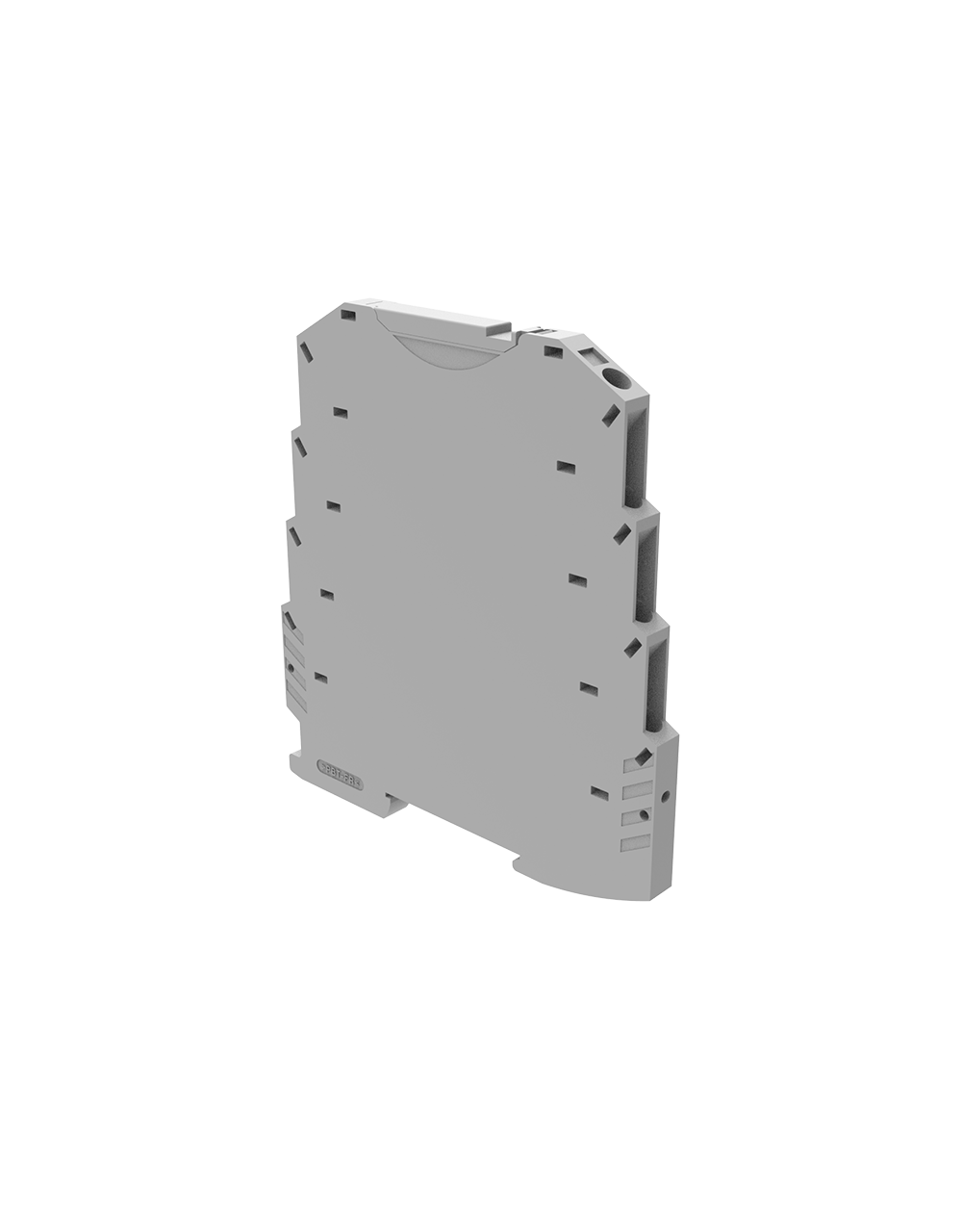
A transducer, also referred to as a signal converter or transmitter, is a device used in measurement technology to convert or transmit a specific measurement signal into another signal. This process allows measurement values from a sensor or measuring device to be processed and transmitted in a manner suitable for subsequent processing, display, or control.
Precise Measurement and Signal Conversion: Transducers provide accurate and reliable conversion of physical measurements into electrical signals for precise control.
Easy Integration: They integrate seamlessly into existing automation and monitoring systems, improving process control.
Versatile Applications: Transducers are suitable for numerous industries, including chemicals, mechanical engineering, automation, and environmental technology.
Signal Stability: They ensure stable and reliable output signals, even under extreme conditions such as vibrations or temperature fluctuations.
Cost-Effectiveness and Low Maintenance: Transducers are robust, low-maintenance, and offer a cost-effective solution for precise monitoring of industrial processes.
Transducers are devices that convert physical measurements such as temperature, pressure, level, or flow into electrical signals that can be processed by control or monitoring systems. They take an analog signal or other input variables, such as a temperature sensor or pressure sensor, and convert them into standardized output signals, typically in the form of 4-20 mA, 0-10 V, or digital signals. The transducer ensures that the measured quantity is transmitted accurately and reliably, while accounting for various influencing factors such as temperature, vibration, or electromagnetic interference. These signals can then be used for process control, monitoring, and optimization in industrial applications. Thanks to their precision and flexibility, transducers are indispensable in a wide range of industries, including chemicals, automation, mechanical engineering, and environmental technology.
Transducers in Process Industry
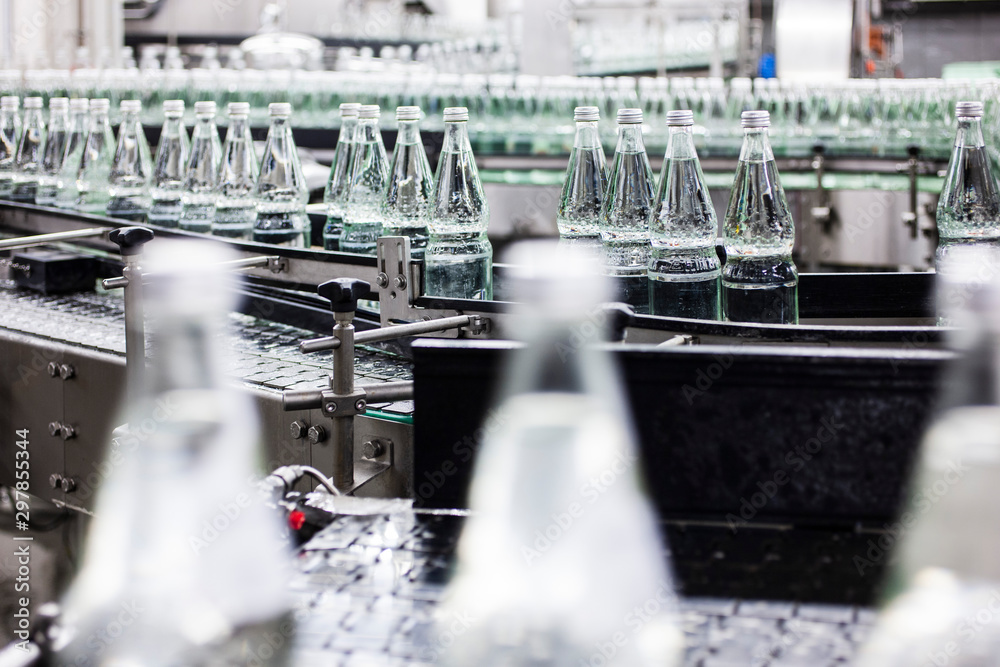
Transducers are used in the process industry to accurately monitor key measurement parameters such as temperature, pressure, and level. They convert physical values into standardized electrical signals, which are used for control and regulation processes. In the chemical, pharmaceutical, and food production industries, this is crucial for meeting quality standards and safety regulations, ensuring efficient and error-free processes.
Transducers in Automation Technology
In automation technology, transducers are responsible for converting measurement values such as flow, pressure, and temperature into digital signals. These signals are used in control systems to optimize processes in manufacturing plants, machines, and systems. They provide high precision and enable automated monitoring and control of processes, resulting in increased efficiency and productivity.
Transducers in the Energy Sector
In the energy sector, transducers are used to accurately monitor and control processes in power plants, the oil and gas industry, and renewable energy production. They measure and convert physical parameters such as temperature, pressure, and volumetric flow into signals that are used in control systems. This enables safe energy production and helps optimize operational processes.
Transducers are applied in many areas, including automation, control, and regulation technology. They are used in process industries, such as chemical, food, and pharmaceutical industries, to convert physical measurements like temperature, pressure, flow, and level into standardized output signals. These signals are crucial for precise control of systems, ensuring efficiency, safety, and product quality.
INTRO
A transducer, also referred to as a signal converter or transmitter, is a device used in measurement technology to convert or transmit a specific measurement signal into another signal. This process allows measurement values from a sensor or measuring device to be processed and transmitted in a manner suitable for subsequent processing, display, or control.
Transducers are devices that convert physical measurements such as temperature, pressure, level, or flow into electrical signals that can be processed by control or monitoring systems. They take an analog signal or other input variables, such as a temperature sensor or pressure sensor, and convert them into standardized output signals, typically in the form of 4-20 mA, 0-10 V, or digital signals. The transducer ensures that the measured quantity is transmitted accurately and reliably, while accounting for various influencing factors such as temperature, vibration, or electromagnetic interference. These signals can then be used for process control, monitoring, and optimization in industrial applications. Thanks to their precision and flexibility, transducers are indispensable in a wide range of industries, including chemicals, automation, mechanical engineering, and environmental technology.
Precise Measurement and Signal Conversion: Transducers provide accurate and reliable conversion of physical measurements into electrical signals for precise control.
Easy Integration: They integrate seamlessly into existing automation and monitoring systems, improving process control.
Versatile Applications: Transducers are suitable for numerous industries, including chemicals, mechanical engineering, automation, and environmental technology.
Signal Stability: They ensure stable and reliable output signals, even under extreme conditions such as vibrations or temperature fluctuations.
Cost-Effectiveness and Low Maintenance: Transducers are robust, low-maintenance, and offer a cost-effective solution for precise monitoring of industrial processes.
APPLICATION
Transducers in Process Industry
Transducers are used in the process industry to accurately monitor key measurement parameters such as temperature, pressure, and level. They convert physical values into standardized electrical signals, which are used for control and regulation processes. In the chemical, pharmaceutical, and food production industries, this is crucial for meeting quality standards and safety regulations, ensuring efficient and error-free processes.
APPLICATION
Transducers in Automation Technology
In automation technology, transducers are responsible for converting measurement values such as flow, pressure, and temperature into digital signals. These signals are used in control systems to optimize processes in manufacturing plants, machines, and systems. They provide high precision and enable automated monitoring and control of processes, resulting in increased efficiency and productivity.
APPLICATION
Transducers in the Energy Sector
In the energy sector, transducers are used to accurately monitor and control processes in power plants, the oil and gas industry, and renewable energy production. They measure and convert physical parameters such as temperature, pressure, and volumetric flow into signals that are used in control systems. This enables safe energy production and helps optimize operational processes.
AREA OF OPERATION
Transducers are applied in many areas, including automation, control, and regulation technology. They are used in process industries, such as chemical, food, and pharmaceutical industries, to convert physical measurements like temperature, pressure, flow, and level into standardized output signals. These signals are crucial for precise control of systems, ensuring efficiency, safety, and product quality.