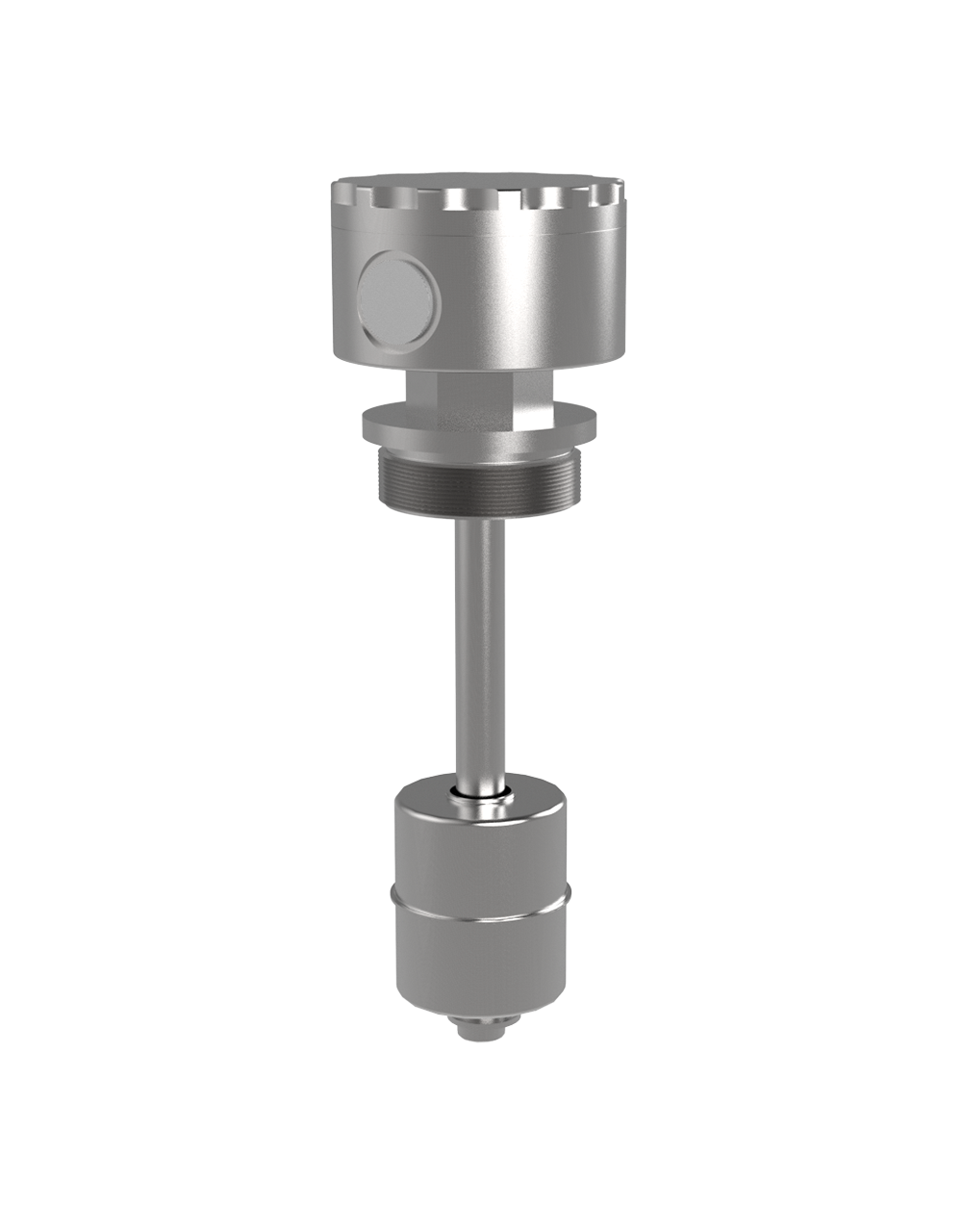
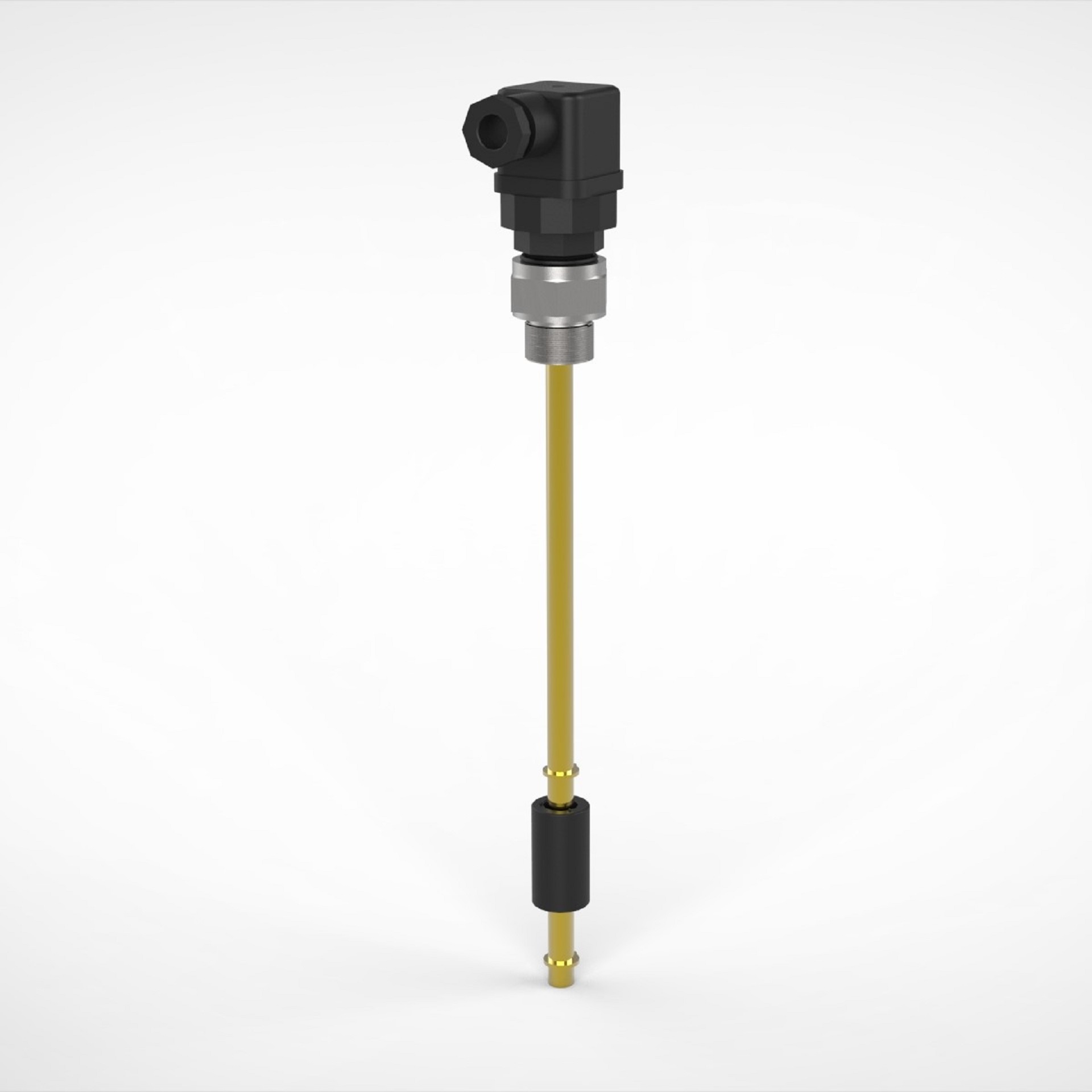
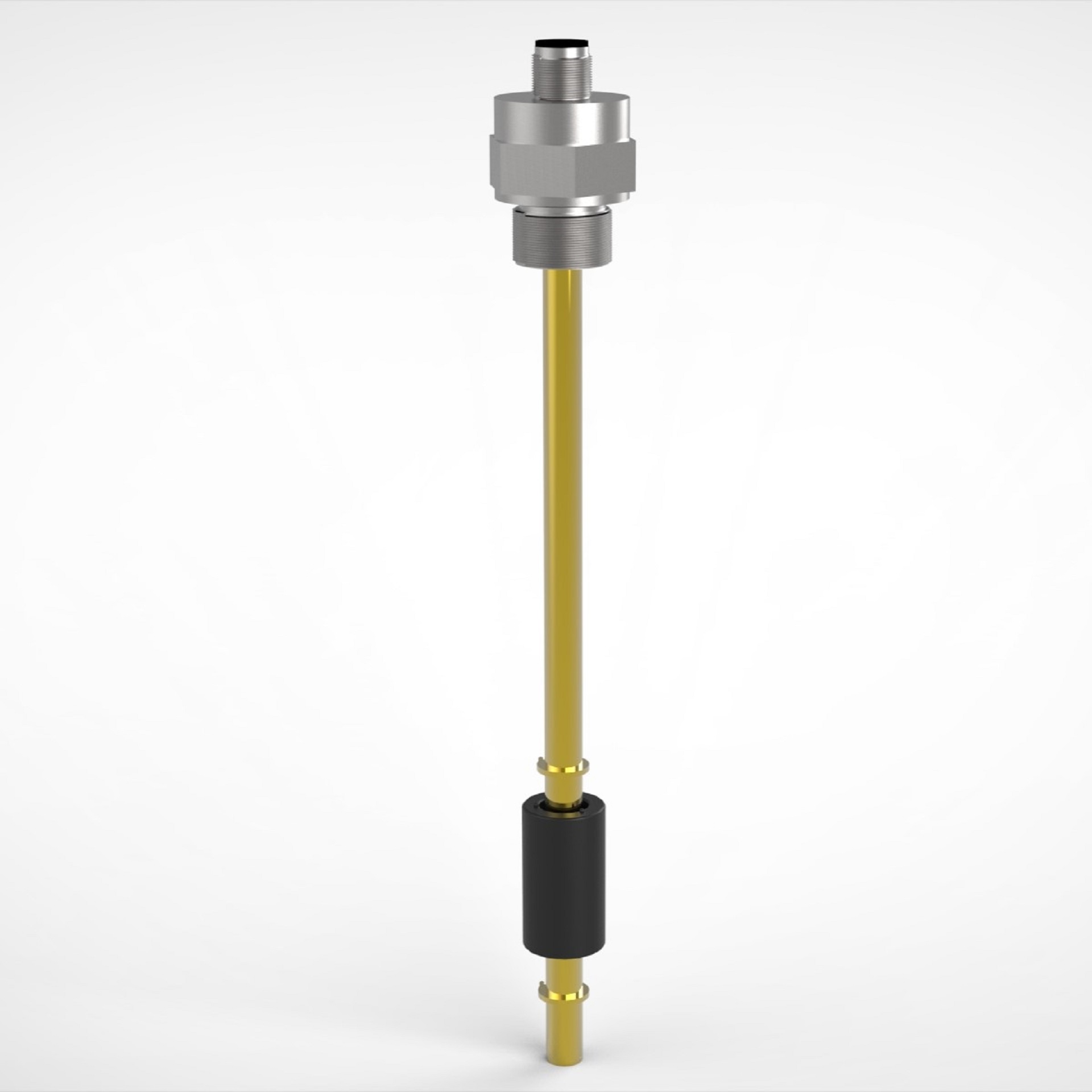
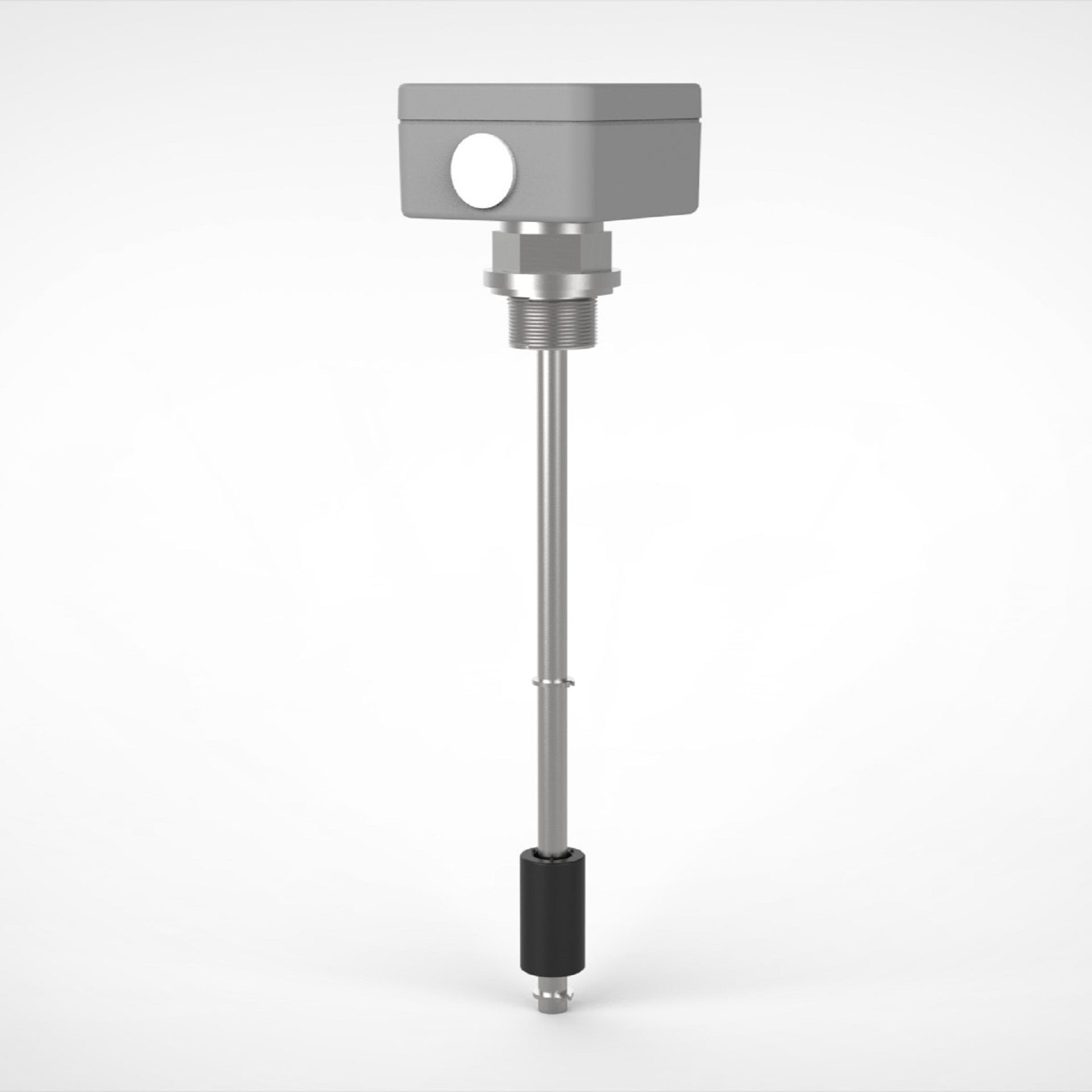
Mini float switches are small but powerful sensors that can be used for accurate level measurement across various industries. They are specifically designed for use in confined spaces. Due to their compact design, they can be easily installed in small containers and systems. These switches enable precise level measurements, even in the tightest spaces where conventional sensors may reach their limits.
Precision: Mini float switches provide precise liquid level monitoring. Their reed contact technology ensures accurate measurements, prevents overfilling or underfilling, and supports smooth operations without disruptions.
Applications: Mini float switches are suitable for numerous industries, such as shipbuilding, petrochemicals, and the food industry. Their compact design fits perfectly into tight spaces and tanks
Robustness: Durable mini float switches deliver reliable performance and long service life, even when exposed to aggressive chemicals, high temperatures, or harsh conditions.
Versatility: Mini float switches offer flexible, tailored solutions. Choose from options for connection, mounting, and materials to suit your application.
Easy Installation: Mini float switches are easy to install, low maintenance, and seamlessly integrate into existing systems for reliable level monitoring.
The operating principle of a float switch based on reed contact relies on the use of a reed contact as the switching element. A float switch consists of a buoyancy body, also known as a float, that floats on the liquid surface. The buoyancy body is equipped with a magnet. As the liquid level changes, the buoyancy body moves accordingly up or down. Upon reaching a specific level, the magnet approaches the reed contact. The reed contact comprises two ferromagnetic contact blades housed in a glass capsule. These blades are separated by a small air gap.
When the magnet of the buoyancy body reaches the reed contact, the magnetic field attracts the ferromagnetic blades, bringing them together. This closes the contact blades and completes an electrical circuit. This closed circuit can then be used to send a signal, such as triggering an alarm or controlling a motor.
Mechanical and Hydraulic Unit Engineering
Mini float switches are indispensable in plant and mechanical engineering, particularly for monitoring cooling and lubrication systems, as well as in hydraulic units and cooling systems. They maintain constant levels, provide timely refill alerts, and protect machinery from costly damage. By precisely measuring oil or coolant levels, they contribute to optimal performance and operational safety, prevent overheating, and reduce the risk of failures. This helps optimize uptime and efficiency.
Shipbuilding and Offshore Industry
In the wind industry, both onshore and offshore, mini float switches are essential for precise level monitoring, e.g., in hydraulic and lubricant tanks. They ensure reliable control, minimize potential risks, and contribute to efficient resource use. Particularly in offshore wind farms, they ensure functionality under demanding conditions, supporting the performance and safety of the facilities.
Petrochemical and Chemical Industries
In the petrochemical and chemical industries, mini float switches play a crucial role in monitoring tanks, containers, and processes. They enable reliable detection of chemical and other liquid levels. Through precise measurement and monitoring, they enhance safety, efficiency, and compliance with environmental regulations.
Mini float switches are used in a wide variety of industries. Their compact design makes them especially well-suited for small tanks, system, and unit monitoring. They measure levels in shipbuilding, offshore, petrochemicals, chemicals, plant engineering, mechanical engineering, hydraulic units, cooling systems, drinking water treatment, the food and beverage industry, power plants, and various energy systems.
INTRO
Mini float switches are small but powerful sensors that can be used for accurate level measurement across various industries. They are specifically designed for use in confined spaces. Due to their compact design, they can be easily installed in small containers and systems. These switches enable precise level measurements, even in the tightest spaces where conventional sensors may reach their limits.
The operating principle of a float switch based on reed contact relies on the use of a reed contact as the switching element. A float switch consists of a buoyancy body, also known as a float, that floats on the liquid surface. The buoyancy body is equipped with a magnet. As the liquid level changes, the buoyancy body moves accordingly up or down. Upon reaching a specific level, the magnet approaches the reed contact. The reed contact comprises two ferromagnetic contact blades housed in a glass capsule. These blades are separated by a small air gap.
When the magnet of the buoyancy body reaches the reed contact, the magnetic field attracts the ferromagnetic blades, bringing them together. This closes the contact blades and completes an electrical circuit. This closed circuit can then be used to send a signal, such as triggering an alarm or controlling a motor.
Precision: Mini float switches provide precise liquid level monitoring. Their reed contact technology ensures accurate measurements, prevents overfilling or underfilling, and supports smooth operations without disruptions.
Applications: Mini float switches are suitable for numerous industries, such as shipbuilding, petrochemicals, and the food industry. Their compact design fits perfectly into tight spaces and tanks
Robustness: Durable mini float switches deliver reliable performance and long service life, even when exposed to aggressive chemicals, high temperatures, or harsh conditions.
Versatility: Mini float switches offer flexible, tailored solutions. Choose from options for connection, mounting, and materials to suit your application.
Easy Installation: Mini float switches are easy to install, low maintenance, and seamlessly integrate into existing systems for reliable level monitoring.
APPLICATION
Mechanical and Hydraulic Unit Engineering
Mini float switches are indispensable in plant and mechanical engineering, particularly for monitoring cooling and lubrication systems, as well as in hydraulic units and cooling systems. They maintain constant levels, provide timely refill alerts, and protect machinery from costly damage. By precisely measuring oil or coolant levels, they contribute to optimal performance and operational safety, prevent overheating, and reduce the risk of failures. This helps optimize uptime and efficiency.
APPLICATION
Shipbuilding and Offshore Industry
In the wind industry, both onshore and offshore, mini float switches are essential for precise level monitoring, e.g., in hydraulic and lubricant tanks. They ensure reliable control, minimize potential risks, and contribute to efficient resource use. Particularly in offshore wind farms, they ensure functionality under demanding conditions, supporting the performance and safety of the facilities.
APPLICATION
Petrochemical and Chemical Industries
In the petrochemical and chemical industries, mini float switches play a crucial role in monitoring tanks, containers, and processes. They enable reliable detection of chemical and other liquid levels. Through precise measurement and monitoring, they enhance safety, efficiency, and compliance with environmental regulations.
AREA OF OPERATION
Mini float switches are used in a wide variety of industries. Their compact design makes them especially well-suited for small tanks, system, and unit monitoring. They measure levels in shipbuilding, offshore, petrochemicals, chemicals, plant engineering, mechanical engineering, hydraulic units, cooling systems, drinking water treatment, the food and beverage industry, power plants, and various energy systems.
no matching results