Electronic Temperature Switches
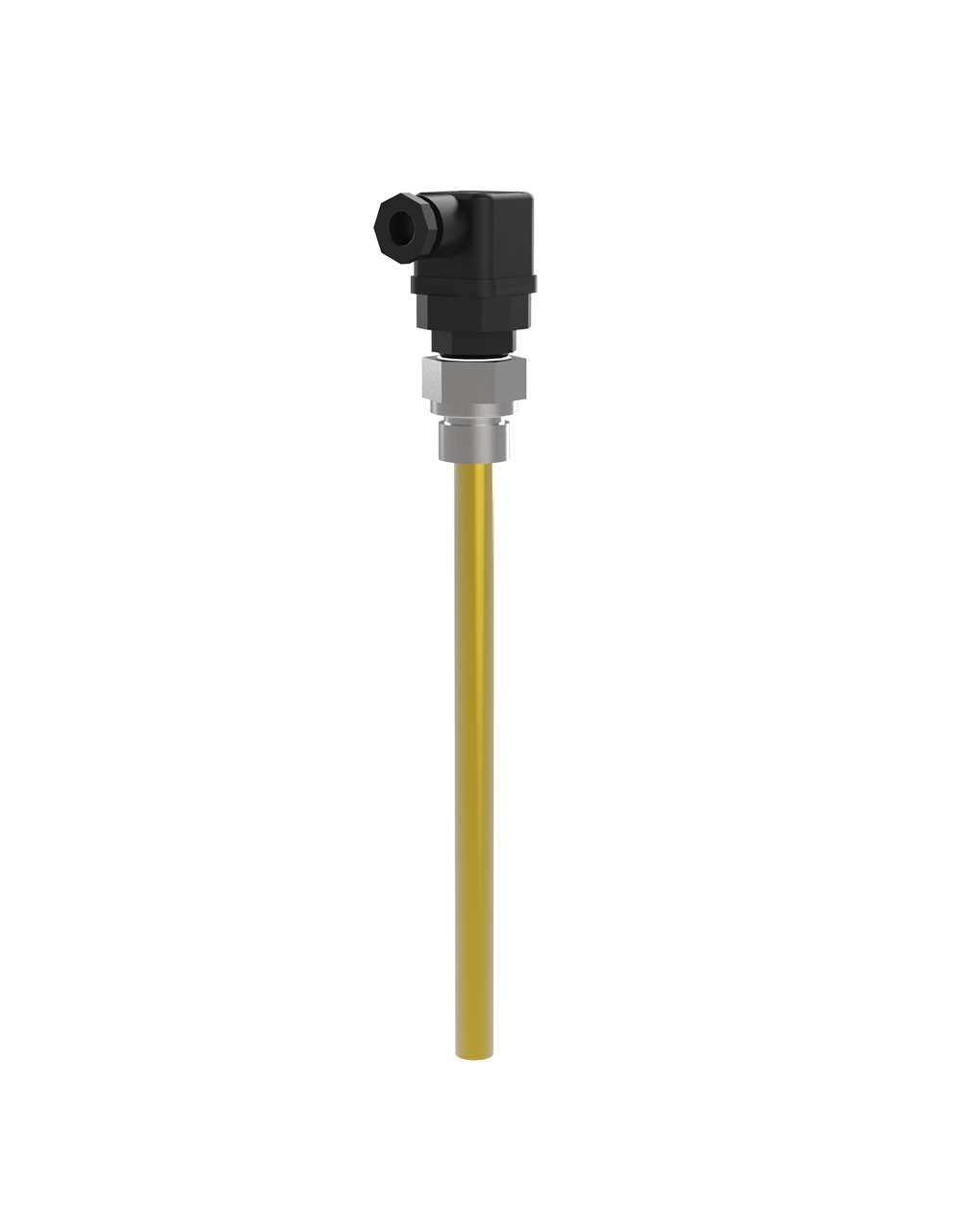
Electronic temperature switches provide precise temperature monitoring and reliable control for industrial and commercial applications. They measure temperatures accurately and automatically activate or deactivate devices when predefined thresholds are exceeded or undershot. These switches contribute to energy efficiency, protect systems from overheating or overcooling, and enhance operational safety. Ideal for heating, cooling, and automation systems.
Enhanced Operational Safety: Temperature controllers prevent overheating or overcooling, reducing downtime and improving operational safety.
Extended Machine Lifespan: Maintaining optimal temperatures minimizes wear and tear, lowering long-term maintenance and replacement costs.
Easy Integration: Temperature controllers can be seamlessly integrated into automation systems for centralized management.
Cost-Effective Production: Precise temperature control minimizes deviations, reduces waste, and lowers operating costs.
Robustness and Durability: Designed for continuous operation under demanding conditions, temperature controllers are highly reliable.
Unlike mechanical temperature switches, which rely on thermal or mechanical principles, electronic temperature switches use electronic sensors and circuits to measure temperature and perform corresponding actions. An electronic temperature switch typically consists of a sensor for temperature detection, a microprocessor or circuit for processing the measured temperature values, and an output circuit for controlling an external device such as a pump, fan, or heater.
Manufacturing Industry
In the manufacturing industry, precise temperature monitoring in production equipment, robots, welding processes, and assembly lines is critical to ensuring the quality and efficiency of manufacturing processes. Accurate control of temperature conditions helps reduce production downtime and improve operational safety. Temperature controllers in manufacturing minimize deviations and ensure consistent product quality.
Process Industry
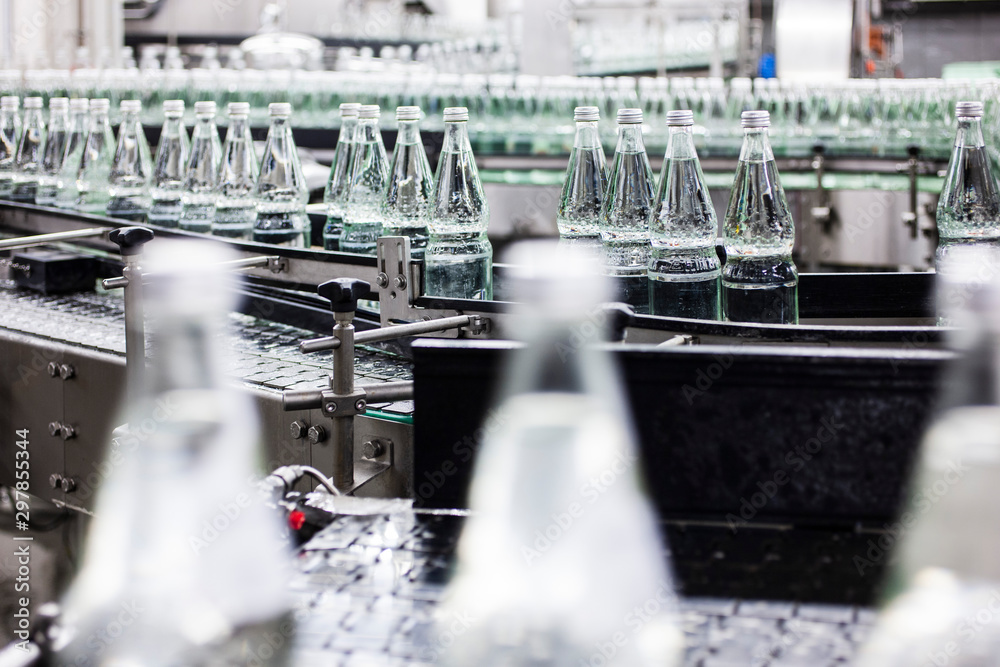
In the process industry, temperature monitoring is vital for chemical plants, refineries, oil and gas processing, and pharmaceutical and food production. Precise temperature measurements help regulate chemical reactions, maintain product quality, and ensure operational safety. Modern temperature controllers optimize processes and support energy-efficient production.
Energy Generation
In energy generation, temperature monitoring in power plants, power distribution facilities, turbines, and generators is crucial. Accurate temperature control in these critical systems ensures efficient energy production and minimizes downtime. Temperature controllers help reduce thermal stresses and enhance the operational safety of energy generation systems.
These switches can be used in various applications, including refrigerators, air conditioners, heating systems, industrial processes, and other systems requiring temperature monitoring and control. By utilizing electronic circuits, they generally offer higher precision and accuracy in temperature measurement and can include additional features such as programmable thresholds, alarms, or digital displays.
INTRO
Electronic temperature switches provide precise temperature monitoring and reliable control for industrial and commercial applications. They measure temperatures accurately and automatically activate or deactivate devices when predefined thresholds are exceeded or undershot. These switches contribute to energy efficiency, protect systems from overheating or overcooling, and enhance operational safety. Ideal for heating, cooling, and automation systems.
Unlike mechanical temperature switches, which rely on thermal or mechanical principles, electronic temperature switches use electronic sensors and circuits to measure temperature and perform corresponding actions. An electronic temperature switch typically consists of a sensor for temperature detection, a microprocessor or circuit for processing the measured temperature values, and an output circuit for controlling an external device such as a pump, fan, or heater.
Enhanced Operational Safety: Temperature controllers prevent overheating or overcooling, reducing downtime and improving operational safety.
Extended Machine Lifespan: Maintaining optimal temperatures minimizes wear and tear, lowering long-term maintenance and replacement costs.
Easy Integration: Temperature controllers can be seamlessly integrated into automation systems for centralized management.
Cost-Effective Production: Precise temperature control minimizes deviations, reduces waste, and lowers operating costs.
Robustness and Durability: Designed for continuous operation under demanding conditions, temperature controllers are highly reliable.
APPLICATION
Manufacturing Industry
In the manufacturing industry, precise temperature monitoring in production equipment, robots, welding processes, and assembly lines is critical to ensuring the quality and efficiency of manufacturing processes. Accurate control of temperature conditions helps reduce production downtime and improve operational safety. Temperature controllers in manufacturing minimize deviations and ensure consistent product quality.
APPLICATION
Process Industry
In the process industry, temperature monitoring is vital for chemical plants, refineries, oil and gas processing, and pharmaceutical and food production. Precise temperature measurements help regulate chemical reactions, maintain product quality, and ensure operational safety. Modern temperature controllers optimize processes and support energy-efficient production.
APPLICATION
Energy Generation
In energy generation, temperature monitoring in power plants, power distribution facilities, turbines, and generators is crucial. Accurate temperature control in these critical systems ensures efficient energy production and minimizes downtime. Temperature controllers help reduce thermal stresses and enhance the operational safety of energy generation systems.
AREA OF OPERATION
These switches can be used in various applications, including refrigerators, air conditioners, heating systems, industrial processes, and other systems requiring temperature monitoring and control. By utilizing electronic circuits, they generally offer higher precision and accuracy in temperature measurement and can include additional features such as programmable thresholds, alarms, or digital displays.