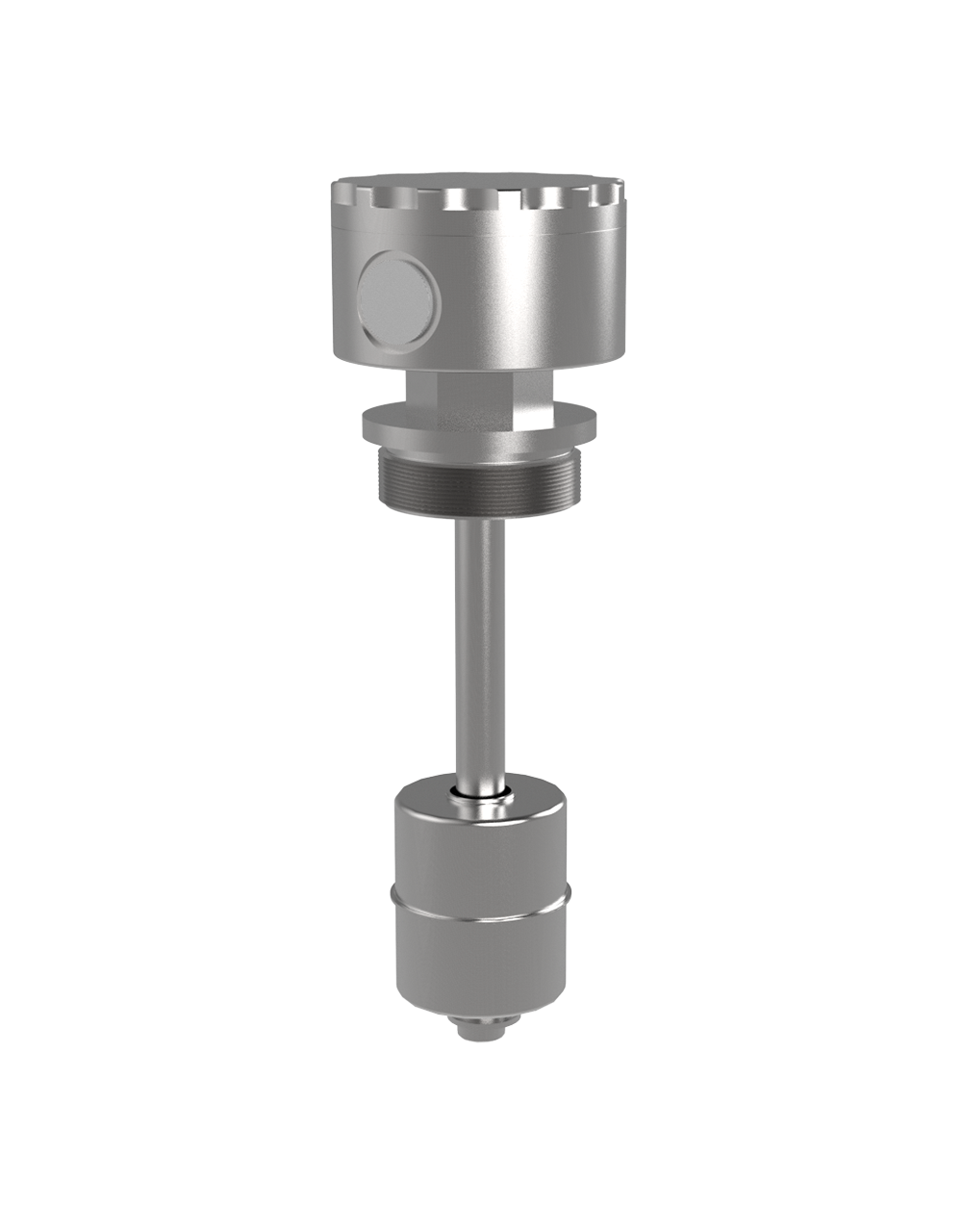
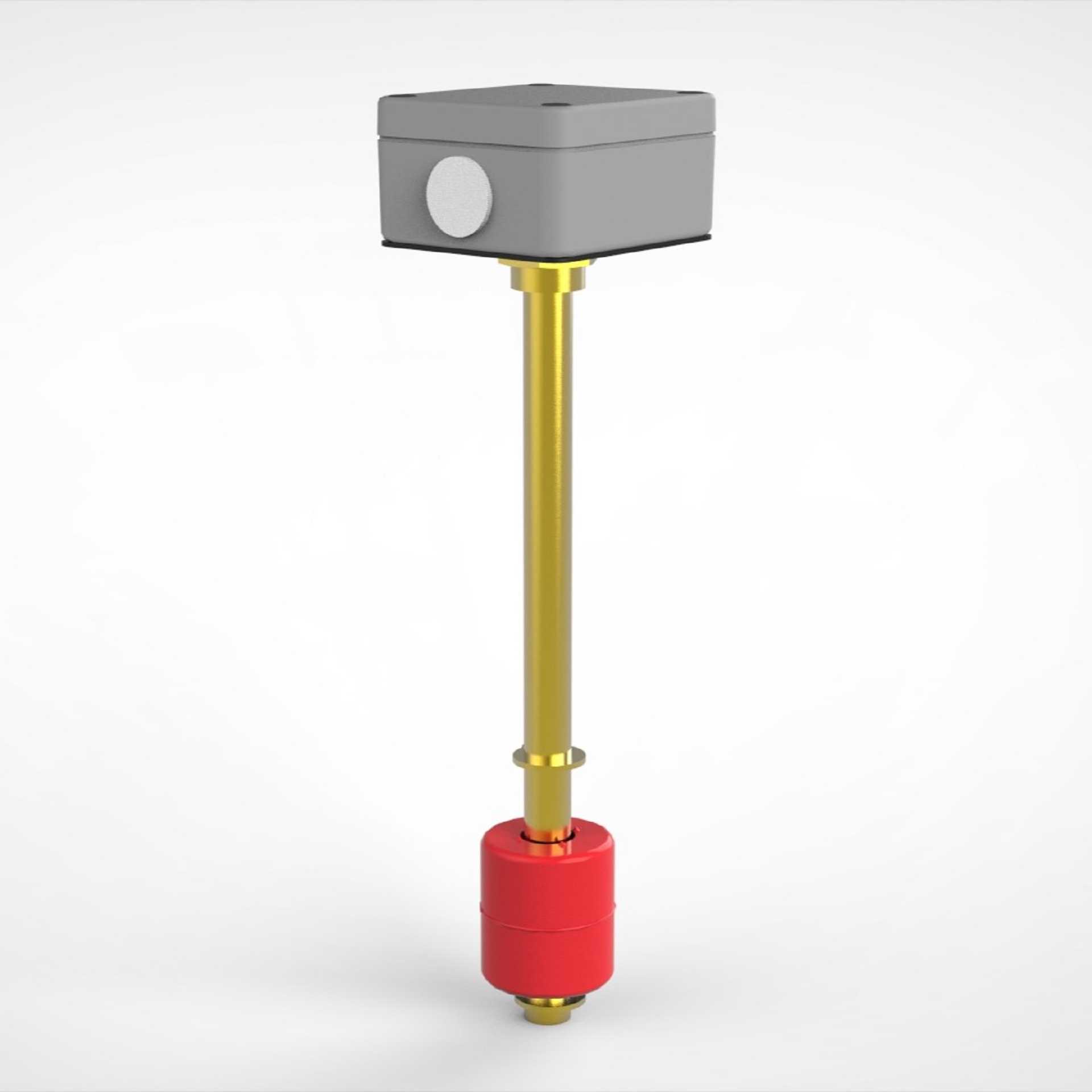
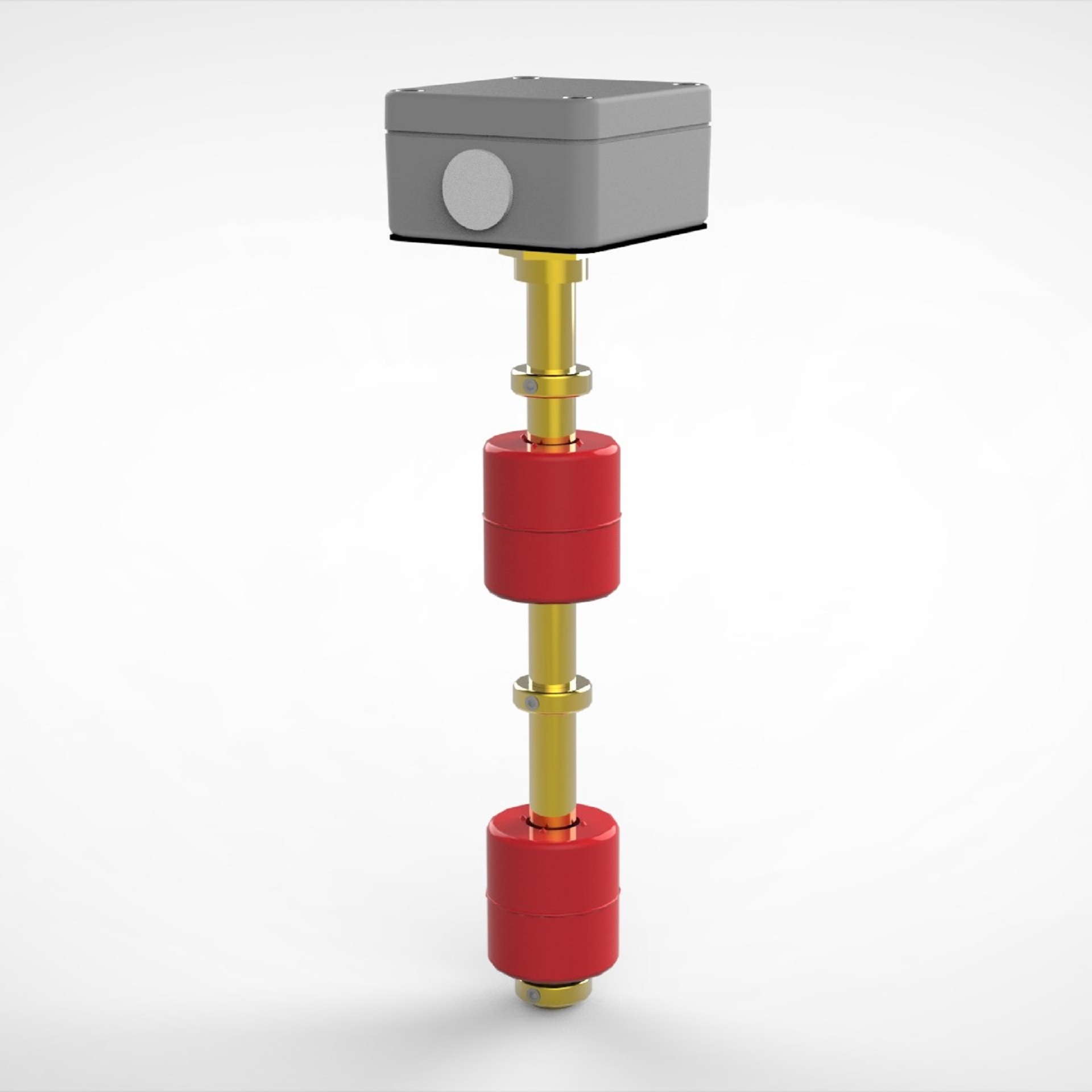
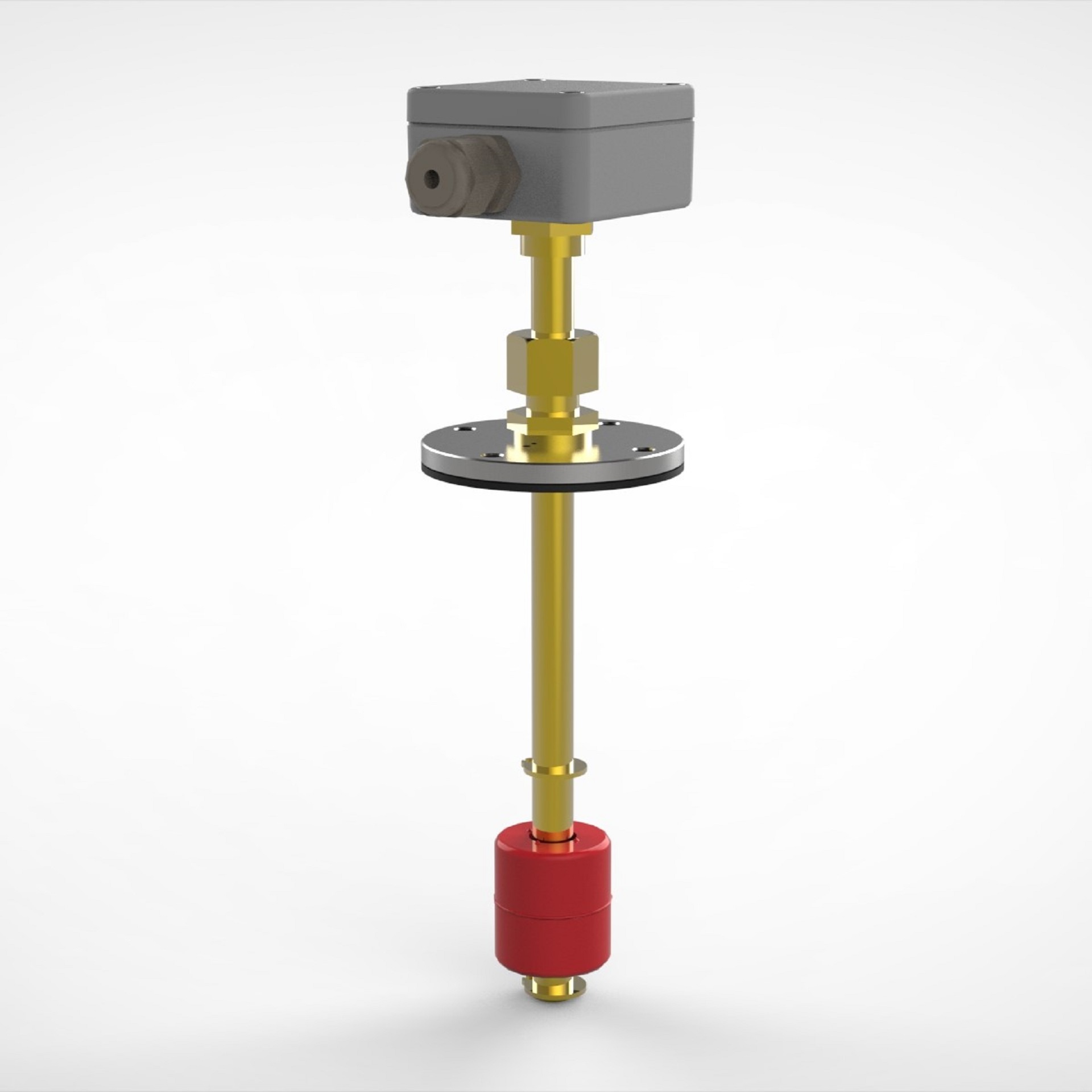
Float switches, also known as liquid sensors, are essential for precise level monitoring in tanks and systems. They prevent overfilling, trigger warnings at low liquid levels, and reliably control pumps. Adjustable float switches offer maximum flexibility as their position can be adapted to different container sizes and levels. With millimeter-precise adjustments, they allow optimal customization to meet individual requirements.
Precision: Float switches provide accurate detection of liquid levels, enabling precise control and regulation.
Reliability: Their robust construction and high-quality materials ensure long-term reliable operation, even in demanding environments.
Ease of Installation: Float switches are easy to install and can be seamlessly integrated into existing systems.
Low Maintenance: Thanks to their durable design, float switches require minimal maintenance, saving time and costs.
Flexibility: A wide range of models and designs is available to meet individual requirements and application conditions. Additionally, they can be readjusted, and the switching points can be modified even after installation.
The operating principle of a float switch based on reed contact relies on using a reed contact as the switching element. A float switch consists of a buoyancy body, also known as a float, which floats on the liquid surface. The buoyancy body is equipped with a magnet.As the liquid level changes, the buoyancy body moves correspondingly up or down. Upon reaching a specific level, the magnet approaches the reed contact. The reed contact consists of two ferromagnetic contact blades housed in a glass capsule. These blades are separated by a small air gap.
When the magnet of the buoyancy body reaches the reed contact, the magnetic field attracts the ferromagnetic blades, bringing them together. This closes the contact blades and completes an electrical circuit. This closed circuit can be used to send a signal, such as triggering an alarm or controlling a motor.
Industrial Automation Technology
In industrial automation, float switches play a crucial role in liquid monitoring. Whether in cooling and air conditioning systems, hydraulic systems, heating systems, or the food and beverage industry, our float switches enable precise liquid control and regulation to ensure smooth operations and prevent potential damage.
Float Switches for Pump Control
Another significant application of float switches is pump control. Our float switches monitor liquid levels and automatically switch pumps on and off. This ensures efficient pump operation and prevents potential damage.
Oil Level Monitoring and Regulation
In the machinery and automotive industries, oil level monitoring is critical for the smooth operation of engines and gearboxes. Our float switches provide precise oil level detection and can be used to trigger warnings for low oil levels or to automatically control oil refilling. This ensures reliable lubrication and prevents potential damage to machinery.
Float switches are used in numerous industries. In the food industry, for example, they are used to monitor liquid levels in storage tanks and filling systems. In the chemical and petrochemical industries, they play a key role in the safe handling of chemicals and in preventing overfilling. They are also used in water treatment, mechanical engineering, the automotive industry, and many other fields where precise liquid monitoring is required.
INTRO
Float switches, also known as liquid sensors, are essential for precise level monitoring in tanks and systems. They prevent overfilling, trigger warnings at low liquid levels, and reliably control pumps. Adjustable float switches offer maximum flexibility as their position can be adapted to different container sizes and levels. With millimeter-precise adjustments, they allow optimal customization to meet individual requirements.
The operating principle of a float switch based on reed contact relies on using a reed contact as the switching element. A float switch consists of a buoyancy body, also known as a float, which floats on the liquid surface. The buoyancy body is equipped with a magnet.As the liquid level changes, the buoyancy body moves correspondingly up or down. Upon reaching a specific level, the magnet approaches the reed contact. The reed contact consists of two ferromagnetic contact blades housed in a glass capsule. These blades are separated by a small air gap.
When the magnet of the buoyancy body reaches the reed contact, the magnetic field attracts the ferromagnetic blades, bringing them together. This closes the contact blades and completes an electrical circuit. This closed circuit can be used to send a signal, such as triggering an alarm or controlling a motor.
Precision: Float switches provide accurate detection of liquid levels, enabling precise control and regulation.
Reliability: Their robust construction and high-quality materials ensure long-term reliable operation, even in demanding environments.
Ease of Installation: Float switches are easy to install and can be seamlessly integrated into existing systems.
Low Maintenance: Thanks to their durable design, float switches require minimal maintenance, saving time and costs.
Flexibility: A wide range of models and designs is available to meet individual requirements and application conditions. Additionally, they can be readjusted, and the switching points can be modified even after installation.
APPLICATION
Industrial Automation Technology
In industrial automation, float switches play a crucial role in liquid monitoring. Whether in cooling and air conditioning systems, hydraulic systems, heating systems, or the food and beverage industry, our float switches enable precise liquid control and regulation to ensure smooth operations and prevent potential damage.
APPLICATION
Float Switches for Pump Control
Another significant application of float switches is pump control. Our float switches monitor liquid levels and automatically switch pumps on and off. This ensures efficient pump operation and prevents potential damage.
APPLICATION
Oil Level Monitoring and Regulation
In the machinery and automotive industries, oil level monitoring is critical for the smooth operation of engines and gearboxes. Our float switches provide precise oil level detection and can be used to trigger warnings for low oil levels or to automatically control oil refilling. This ensures reliable lubrication and prevents potential damage to machinery.
AREA OF OPERATION
Float switches are used in numerous industries. In the food industry, for example, they are used to monitor liquid levels in storage tanks and filling systems. In the chemical and petrochemical industries, they play a key role in the safe handling of chemicals and in preventing overfilling. They are also used in water treatment, mechanical engineering, the automotive industry, and many other fields where precise liquid monitoring is required.
no matching results